The Great Kiwi Menu Photoshoot: Why Your Dinner’s Having a Branding Crisis
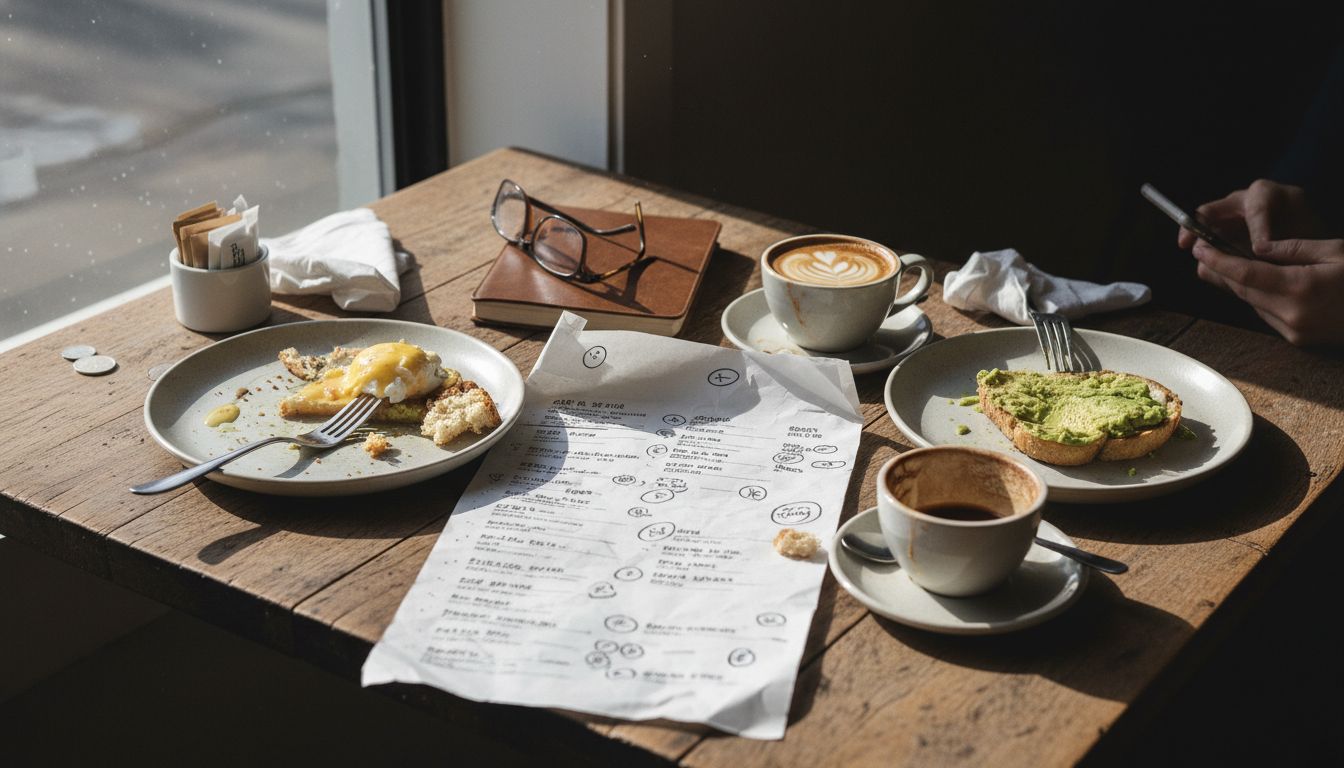
Somewhere between the oozing pork belly slider and a tragic sprig of parsley, New Zealand menus started looking like pitch decks. Restaurant websites are now doing cinematic shots of beetroot foam while their Instagram captions try harder than a theatre kid on opening night. And somehow, it’s stopped making us hungry.
It’s not the food’s fault. It’s marketing’s. Somewhere along the line, every brunch spot in Auckland got the memo that they needed a brand narrative, a visual identity, and a moody colour grade that whispers 'locally foraged' even when the eggs came from Countdown. Don’t get me wrong, I love a composed plate. But I spent an hour last week deep-diving the visual rollout of a new dumpling bar that described itself as 'neo-nostalgic street luxury'. It made me feel like I needed a scarf and a backstory just to order.
So here’s the concern: has food marketing gotten too self-aware? What started as charming character—handwritten chalkboards, a filter or two, the odd dad joke—has spiraled into a genre. Designers are now moodboarding soup. Small plates are launched with the gravitas of a fragrance campaign. Even the humble fish and chips has a social strategy. We’re creating brand worlds where people just want lunch.
But maybe it’s time to step away from the amber lighting and let the kumara speak for itself. Not everything needs to be 'elevated'. Sometimes the strongest brand move is to stop trying to impress your followers and just get the aioli portion right. Here’s my pitch: more honest menus, less cinematic angst. And if your risotto takes good daylight, even better.
It’s not the food’s fault. It’s marketing’s. Somewhere along the line, every brunch spot in Auckland got the memo that they needed a brand narrative, a visual identity, and a moody colour grade that whispers 'locally foraged' even when the eggs came from Countdown. Don’t get me wrong, I love a composed plate. But I spent an hour last week deep-diving the visual rollout of a new dumpling bar that described itself as 'neo-nostalgic street luxury'. It made me feel like I needed a scarf and a backstory just to order.
So here’s the concern: has food marketing gotten too self-aware? What started as charming character—handwritten chalkboards, a filter or two, the odd dad joke—has spiraled into a genre. Designers are now moodboarding soup. Small plates are launched with the gravitas of a fragrance campaign. Even the humble fish and chips has a social strategy. We’re creating brand worlds where people just want lunch.
But maybe it’s time to step away from the amber lighting and let the kumara speak for itself. Not everything needs to be 'elevated'. Sometimes the strongest brand move is to stop trying to impress your followers and just get the aioli portion right. Here’s my pitch: more honest menus, less cinematic angst. And if your risotto takes good daylight, even better.