Why Are New Zealand Brands So Afraid of Smells?
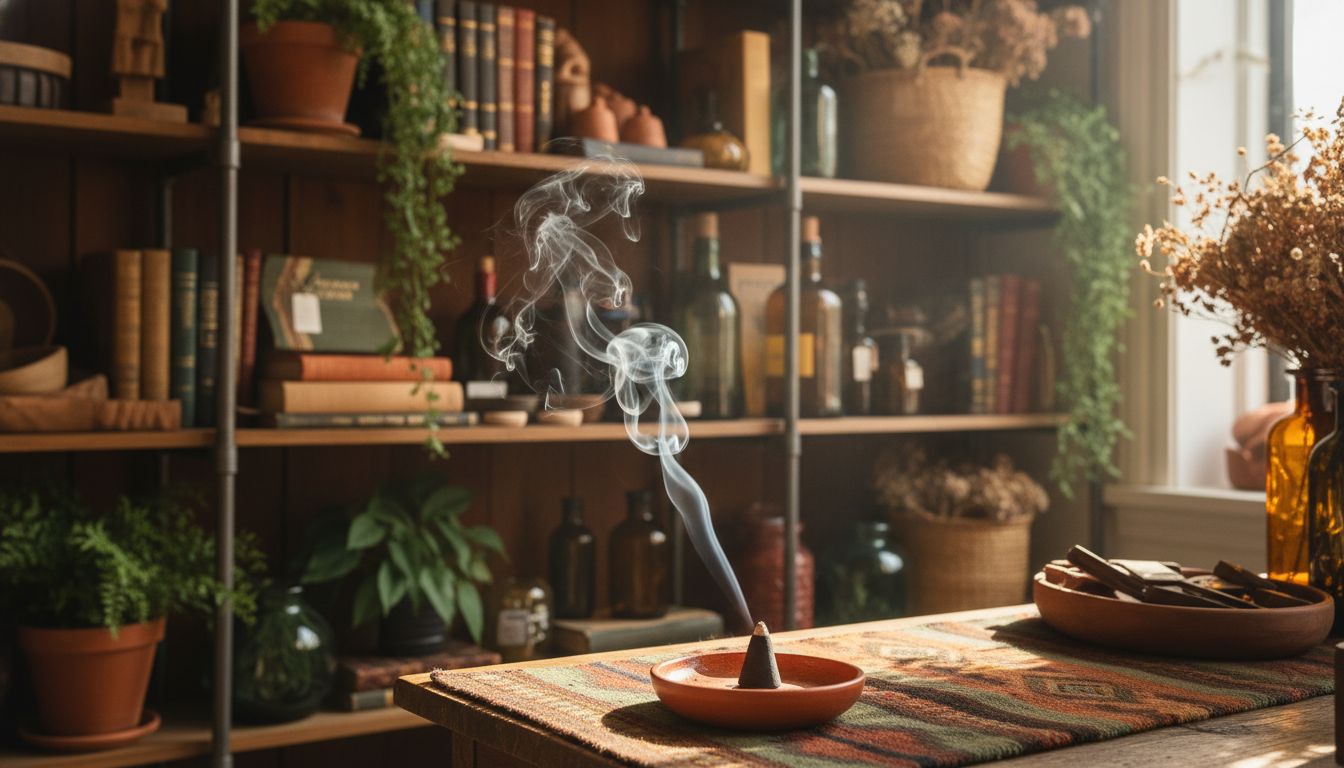
There was a pop-up in Paris last year that only opened at 3 a.m. The entry fee? You had to bring something that smelled like your teenage bedroom. Socks. Lynx Africa. That weird incense phase. It was, predictably, overrun with art students. But it sold out in eight days. And brands fought to sponsor the damn thing.
Which got me thinking. Why do New Zealand brands treat scent like a liability? We’ve seen campaigns splash out on sound design and ambient light levels (whatever those are), but when it comes to smell—arguably the most emotionally loaded sense—we get cold feet. A few spas and candle shops, sure. But where are the scent-driven experiences, the risky olfactory choices from a bold local brand? You don’t even get the whiff of warm McDonald’s chips in their new Auckland flagship. It smells like a lawyer’s foyer.
Absolut Vodka once released a scent that wasn’t meant to be sprayed. It sat in rooms, subtly arming your memory, so when the vodka showed up at parties later in the night, your brain lit up like a Pokie machine. Scent as brand recall, not a sales tactic. That’s smart. And it’s the kind of thinking New Zealand needs if we want to create more than just nice ads. If we want to make brands people feel in their bones, not just their eyeballs.
Maybe it’s time we stop scent-proofing our creativity. Just imagine a coffee pop-up in Karangahape Rd that smells like wet footpaths in winter. Or a theatre campaign soaked in the smell of vinyl seats and sunblock. It’s specific, it’s strange, and it lingers. Isn’t that what branding is meant to do?
Which got me thinking. Why do New Zealand brands treat scent like a liability? We’ve seen campaigns splash out on sound design and ambient light levels (whatever those are), but when it comes to smell—arguably the most emotionally loaded sense—we get cold feet. A few spas and candle shops, sure. But where are the scent-driven experiences, the risky olfactory choices from a bold local brand? You don’t even get the whiff of warm McDonald’s chips in their new Auckland flagship. It smells like a lawyer’s foyer.
Absolut Vodka once released a scent that wasn’t meant to be sprayed. It sat in rooms, subtly arming your memory, so when the vodka showed up at parties later in the night, your brain lit up like a Pokie machine. Scent as brand recall, not a sales tactic. That’s smart. And it’s the kind of thinking New Zealand needs if we want to create more than just nice ads. If we want to make brands people feel in their bones, not just their eyeballs.
Maybe it’s time we stop scent-proofing our creativity. Just imagine a coffee pop-up in Karangahape Rd that smells like wet footpaths in winter. Or a theatre campaign soaked in the smell of vinyl seats and sunblock. It’s specific, it’s strange, and it lingers. Isn’t that what branding is meant to do?