When the Wrong Colour Hits Your City from a Drone
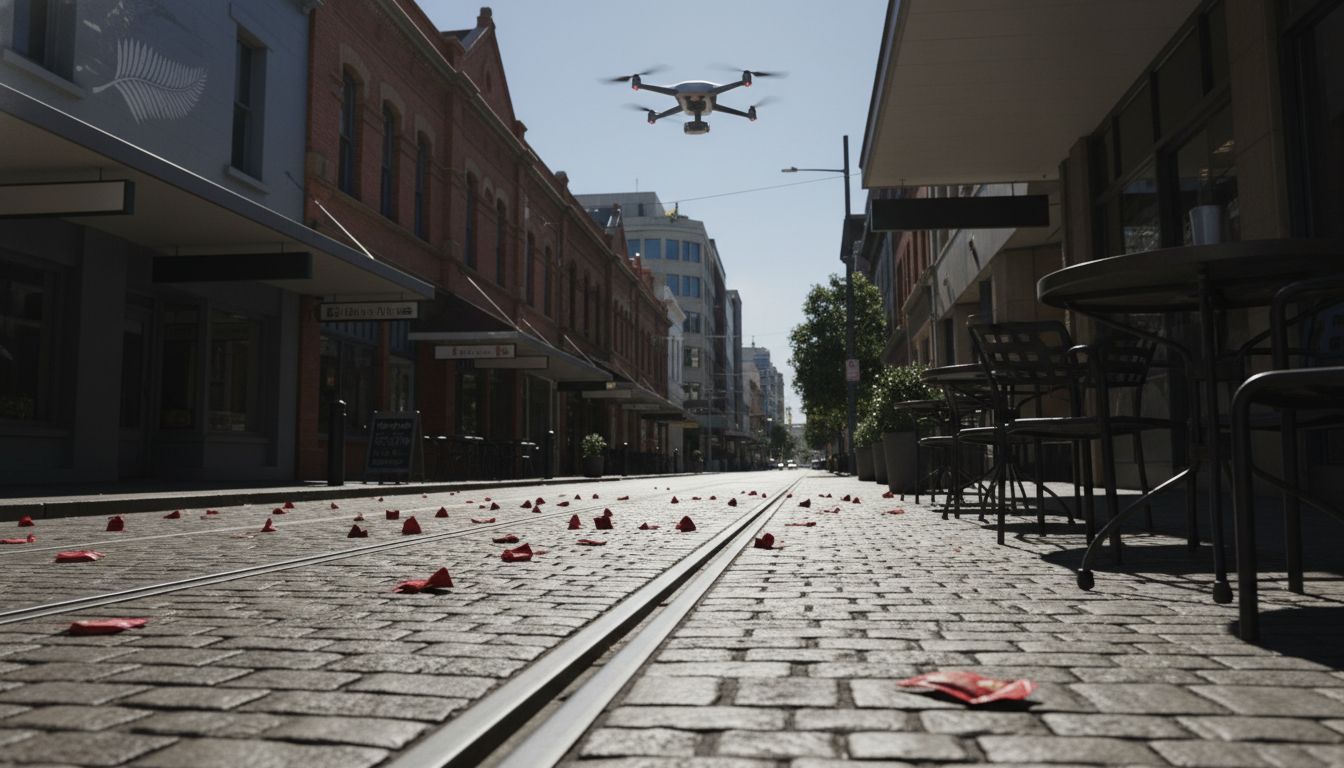
I saw a tomato fall from the sky last Saturday. Not literally, but it may as well have been. A drone, advertising new Mediterranean meal kits, released hundreds of biodegradable red packets shaped like cherry tomatoes over central Wellington. The goal? Capture hearts. The reality? Mild confusion. One got stuck in a tram wire.
This is not about the aerial stunt itself — which, by the way, was technically well-executed. It's about the blind spot we've developed around physical context. Too many campaigns are designed in the vacuum of studio lighting and post-it-plastered walls, then flung into the world without much thought given to how they'll be received by, you know, people. People who are walking their dogs, dodging scooters, and trying not to have lunch dropped on them from the clouds.
We’re witnessing a full-circle swing into post-digital marketing, where brands are ditching pixels for physical gestures. That’s exciting. But you still have to read the street before you throw things at it. Especially branded objects pretending to be food. Somewhere in the campaign planning, someone should've said, "Hmm, what happens if a red packet hits a windscreen?"
The irony? The idea could've worked had the visuals interacted more with the built environment instead of dominating it. Drones are not the villain. The villain is detachment. The best design isn’t disruptive, it’s invitational. Forget grandstanding. Bring your idea down a few metres. Walk around with it. Drop fewer tomatoes.
This is not about the aerial stunt itself — which, by the way, was technically well-executed. It's about the blind spot we've developed around physical context. Too many campaigns are designed in the vacuum of studio lighting and post-it-plastered walls, then flung into the world without much thought given to how they'll be received by, you know, people. People who are walking their dogs, dodging scooters, and trying not to have lunch dropped on them from the clouds.
We’re witnessing a full-circle swing into post-digital marketing, where brands are ditching pixels for physical gestures. That’s exciting. But you still have to read the street before you throw things at it. Especially branded objects pretending to be food. Somewhere in the campaign planning, someone should've said, "Hmm, what happens if a red packet hits a windscreen?"
The irony? The idea could've worked had the visuals interacted more with the built environment instead of dominating it. Drones are not the villain. The villain is detachment. The best design isn’t disruptive, it’s invitational. Forget grandstanding. Bring your idea down a few metres. Walk around with it. Drop fewer tomatoes.