How a Breakroom Noticeboard Became 2026’s Most Honest Campaign Platform
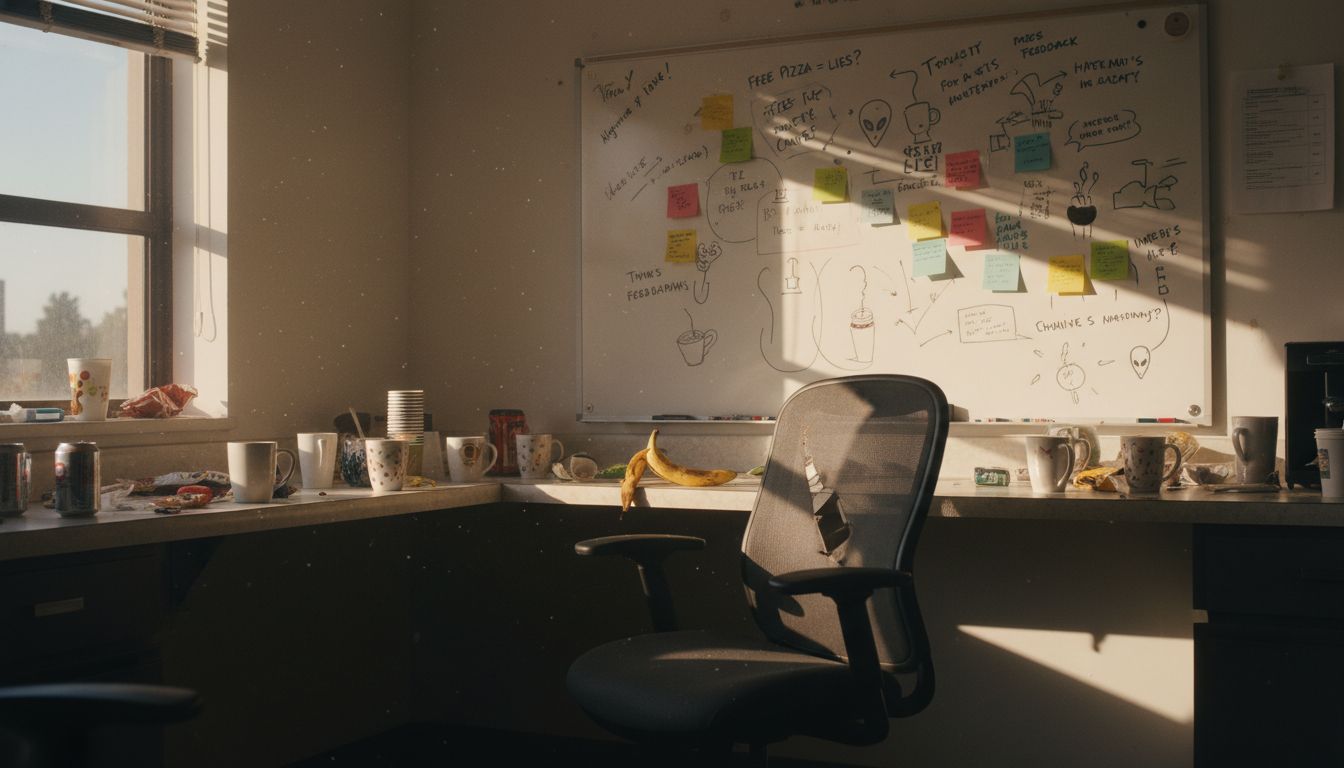
There’s a whiteboard in the staff kitchen at Clipwire, a mid-sized agency known more for their passive-aggressive fridge notes than their creative output. Last week, an intern scrawled, 'Is anyone actually inspired here?' in blue marker. It wasn’t erased. It spread. Within three days, 42 people had scribbled under it. Some drew diagrams. One person did an emotional arc chart of their tenure. And somehow, this off-the-clock honesty exercise sparked an actual campaign.
Clipwire’s next client, an eco-plumbing startup, got pitched not a rebrand, but a full transparency-first campaign modelled off the breakroom wall. The tagline? "Flush the Facade." It's corny, but weirdly, it works. Because it’s real. They built fake bathrooms in pop-ups with working plumbing and confessionals. The punny undertone somehow undercut the preachiness that green campaigns often lean into. The core of it: people love honesty, even if it’s scribbled on a wall between lunch containers. Especially then.
It poses an uncomfortable question for the industry. If the most effective, sticky, emotionally resonant work in 2026 came from a barely-legible whiteboard rant, what are we even doing on Miro boards at 10pm? We are thinking ourselves out of humanity. The old structure, the pitch decks, the staged client smiles, are all fine, but they’re not turning into campaigns anyone remembers. It turns out a tired intern with a bad marker might be the best strategist we’ve never paid attention to.
So, yes, I now visit workplace noticeboards like they’re libraries. There’s something deliciously unfiltered about watching people genuinely express what work feels like, without agency polish. Next time your team drops a Hail Mary rebrand into an overworked slack channel, maybe just go look at what someone quietly put next to the dishwasher. That’s your campaign. That’s your truth. Also, someone really needs to clean the microwave.
Clipwire’s next client, an eco-plumbing startup, got pitched not a rebrand, but a full transparency-first campaign modelled off the breakroom wall. The tagline? "Flush the Facade." It's corny, but weirdly, it works. Because it’s real. They built fake bathrooms in pop-ups with working plumbing and confessionals. The punny undertone somehow undercut the preachiness that green campaigns often lean into. The core of it: people love honesty, even if it’s scribbled on a wall between lunch containers. Especially then.
It poses an uncomfortable question for the industry. If the most effective, sticky, emotionally resonant work in 2026 came from a barely-legible whiteboard rant, what are we even doing on Miro boards at 10pm? We are thinking ourselves out of humanity. The old structure, the pitch decks, the staged client smiles, are all fine, but they’re not turning into campaigns anyone remembers. It turns out a tired intern with a bad marker might be the best strategist we’ve never paid attention to.
So, yes, I now visit workplace noticeboards like they’re libraries. There’s something deliciously unfiltered about watching people genuinely express what work feels like, without agency polish. Next time your team drops a Hail Mary rebrand into an overworked slack channel, maybe just go look at what someone quietly put next to the dishwasher. That’s your campaign. That’s your truth. Also, someone really needs to clean the microwave.