The Open Home Has Become Theatre, and We’re All Buying Tickets
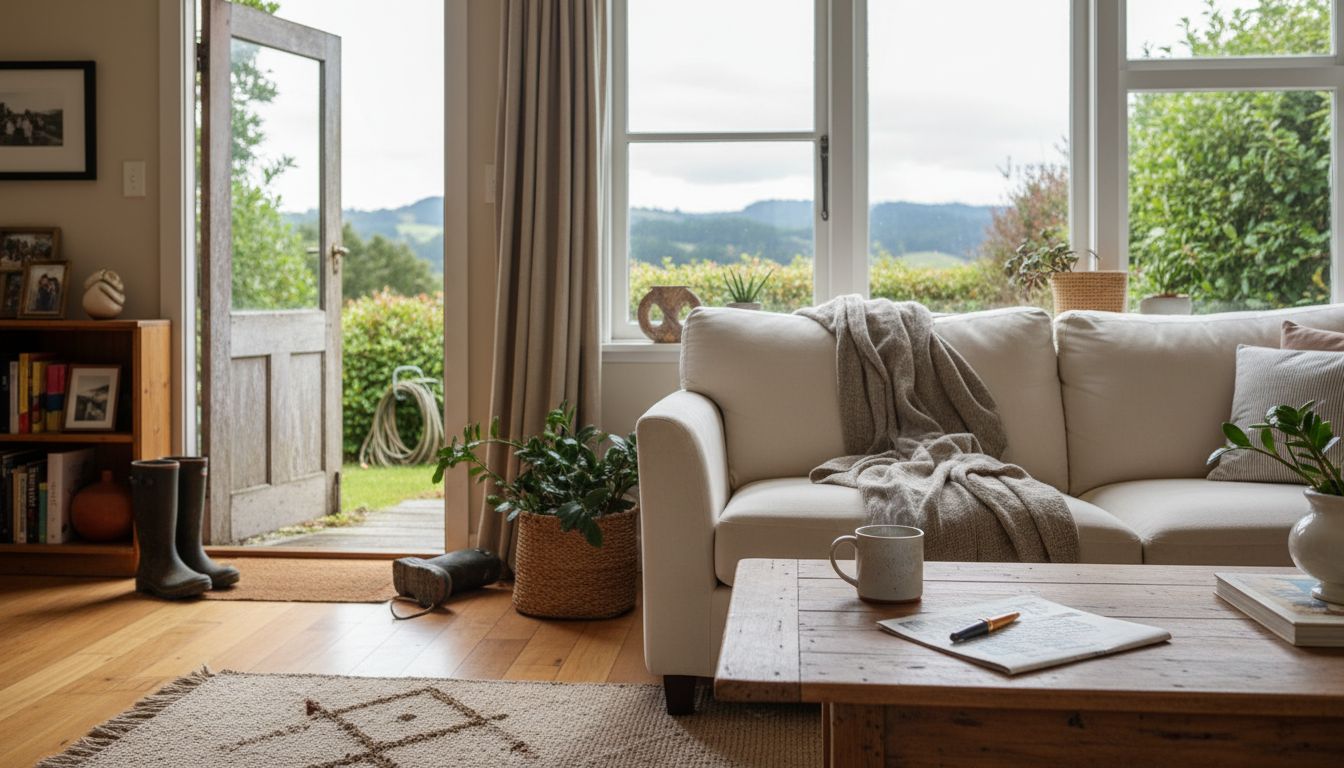
Somewhere between the cheese platter and the colour-coded book spines, the open home stopped being a viewing and became a performance. Not a sales pitch. A full production. You can feel it the moment you step onto the perfectly raked gravel. The citrus bowl is too symmetrical. The throw on the couch has been folded with military precision. Even the dog bowl has been quietly removed, as if the labradoodle never existed. This is not deception. It is direction.
What fascinates me is how theatrical it’s become in 2026. We now have “lifestyle layers”. A half-finished crossword on the table. A linen apron tossed casually over a chair. A child’s gumboots placed near the back door, artfully scuffed. None of it accidental. All of it whispering a script, this is who you could be if you lived here. The agencies have stopped selling square metres. They’re selling Saturday mornings. They’re selling a version of yourself who owns matching ceramic jars.
And here’s the clever bit. The best operators are no longer styling to impress, they’re styling to disarm. Less marble palace, more attainable aspiration. I walked through a villa in Grey Lynn recently, staged with mismatched bedside lamps and a slightly crooked gallery wall. It felt human. It felt achievable. I later learned it had been assembled by a specialist “relatability consultant”. That title alone deserves a raise. The genius is in making you forget you’re in a constructed environment at all.
There’s a lesson here for the wider marketing crowd. We’ve spent decades polishing brands to a blinding shine. But buyers in 2026 are drawn to cues of real life, carefully edited real life, but real enough. The scuffed gumboots matter. The half-read novel matters. They signal permission. You don’t have to be perfect to belong here. The open home has figured out that aspiration works best when it feels one step away, not ten. It’s theatre, yes. But it’s intimate theatre. And judging by auction clearance rates, the audience is giving it a standing ovation.
What fascinates me is how theatrical it’s become in 2026. We now have “lifestyle layers”. A half-finished crossword on the table. A linen apron tossed casually over a chair. A child’s gumboots placed near the back door, artfully scuffed. None of it accidental. All of it whispering a script, this is who you could be if you lived here. The agencies have stopped selling square metres. They’re selling Saturday mornings. They’re selling a version of yourself who owns matching ceramic jars.
And here’s the clever bit. The best operators are no longer styling to impress, they’re styling to disarm. Less marble palace, more attainable aspiration. I walked through a villa in Grey Lynn recently, staged with mismatched bedside lamps and a slightly crooked gallery wall. It felt human. It felt achievable. I later learned it had been assembled by a specialist “relatability consultant”. That title alone deserves a raise. The genius is in making you forget you’re in a constructed environment at all.
There’s a lesson here for the wider marketing crowd. We’ve spent decades polishing brands to a blinding shine. But buyers in 2026 are drawn to cues of real life, carefully edited real life, but real enough. The scuffed gumboots matter. The half-read novel matters. They signal permission. You don’t have to be perfect to belong here. The open home has figured out that aspiration works best when it feels one step away, not ten. It’s theatre, yes. But it’s intimate theatre. And judging by auction clearance rates, the audience is giving it a standing ovation.