The Tiny Instruction Card Is the Most Underrated Ad in the Room
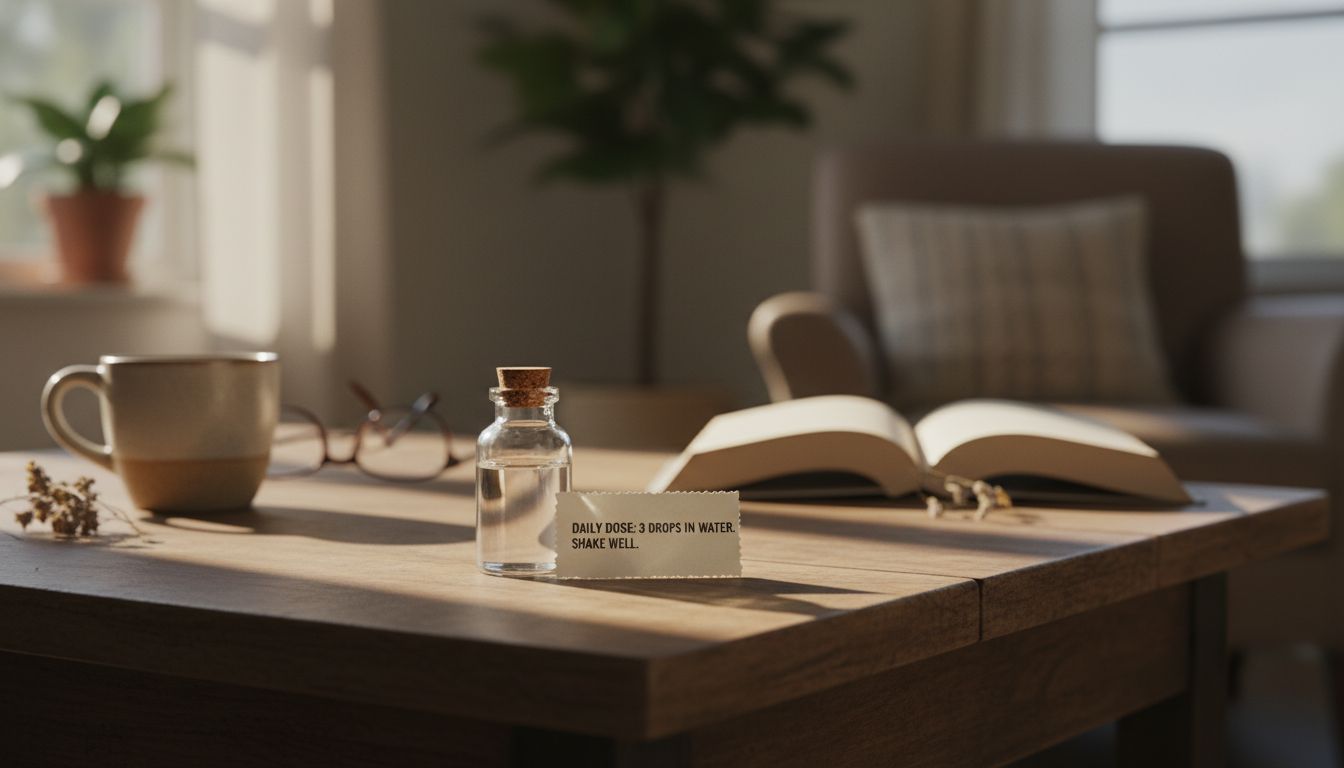
Every now and then a brand hides its best idea on a scrap of paper. Not the packaging. Not the campaign. A small instruction card tucked inside the box. The kind most people nearly throw away.
A fictional drinks outfit I stumbled across recently, Fieldday Tonic Works, slips a little card inside each bottle carton. It tells you to chill the bottle, pour half into a glass, then finish the rest straight from the bottle outside under the evening sky. Oddly specific. Slightly theatrical. Suddenly the drink has a ritual. You are not consuming. You are performing. The product becomes a moment. That card probably cost eight cents to print and did more brand building than a month of media.
Marketing people love scale. Huge reach. Massive impressions. Yet rituals spread quietly and stubbornly. One person reads the card. Next time they show a friend. The behaviour sticks. This is where AI is becoming strangely useful, not for images or slogans but for inventing rituals humans would never bother brainstorming. A prompt I have been using: "Invent ten small, slightly quirky rituals someone could perform while using a product so the moment becomes memorable and worth repeating." Half the ideas are ridiculous. One or two are gold.
Prediction for the next few years. More brands will start designing behaviour instead of messages. Tiny scripts. Instructions. Prompts that shape how a thing is opened, shared, tasted, or even argued about. The clever ones will hide these directions in unexpected places. Inside lids. Under labels. On the back of receipts. The audience will think they discovered the ritual themselves. Which is the best kind of advertising, the kind people feel a little proud to repeat.
A fictional drinks outfit I stumbled across recently, Fieldday Tonic Works, slips a little card inside each bottle carton. It tells you to chill the bottle, pour half into a glass, then finish the rest straight from the bottle outside under the evening sky. Oddly specific. Slightly theatrical. Suddenly the drink has a ritual. You are not consuming. You are performing. The product becomes a moment. That card probably cost eight cents to print and did more brand building than a month of media.
Marketing people love scale. Huge reach. Massive impressions. Yet rituals spread quietly and stubbornly. One person reads the card. Next time they show a friend. The behaviour sticks. This is where AI is becoming strangely useful, not for images or slogans but for inventing rituals humans would never bother brainstorming. A prompt I have been using: "Invent ten small, slightly quirky rituals someone could perform while using a product so the moment becomes memorable and worth repeating." Half the ideas are ridiculous. One or two are gold.
Prediction for the next few years. More brands will start designing behaviour instead of messages. Tiny scripts. Instructions. Prompts that shape how a thing is opened, shared, tasted, or even argued about. The clever ones will hide these directions in unexpected places. Inside lids. Under labels. On the back of receipts. The audience will think they discovered the ritual themselves. Which is the best kind of advertising, the kind people feel a little proud to repeat.