The Borrow Table Is the New Ad Break
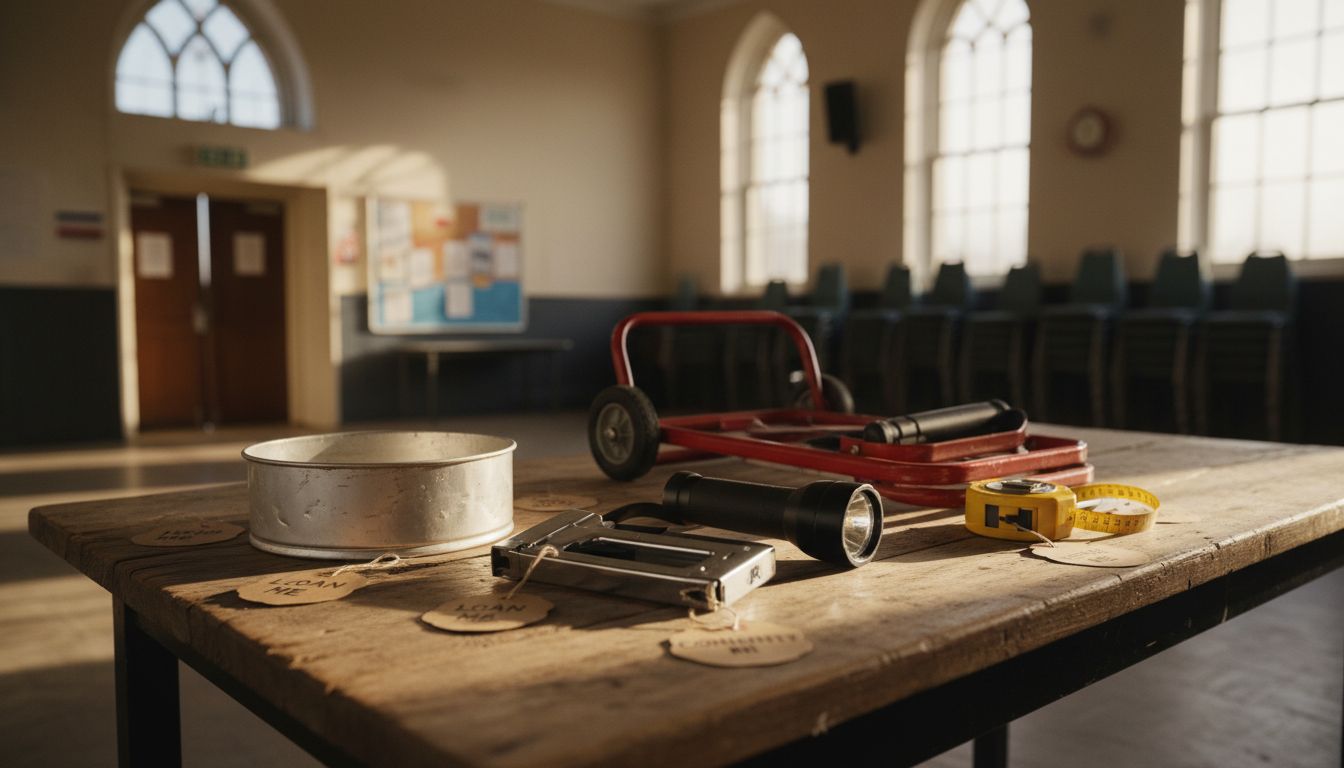
Some of the smartest marketing this year is not loud. It is sitting quietly by the door. A wooden table. A few well used objects. A card that says, take it if you need it, bring it back when you are done.
A small insurance company called Ternwell started placing what they call Borrow Tables in shared foyers and community halls. Not branded to death. Just useful things. A staple gun. A cake tin shaped like a fish. A very good torch. A folding trolley that has clearly moved more than one flatmate. Each object carries a small stamped tag with the company mark and a note that says, "help yourself". People borrow them. They return them. Sometimes with a thank you note. Sometimes with a better version of the same thing.
This is advertising that behaves like a neighbour. It works because it sidesteps the usual transaction. Nobody is being chased for attention. Instead the brand becomes part of the small logistics of everyday life. Moving day. School project night. A sudden need for twelve identical muffins. The company reports that people mention the Borrow Table during claim calls. Not because it sold them anything. Because they already trust the people who left the torch.
There is a quiet AI angle too. Ternwell feeds return notes and borrowing patterns into a simple model that suggests the next objects to add. Oddly specific items win. A tile spacer kit. A very long tape measure. A punch bowl that only appears during certain seasons. If you want to try this yourself, the prompt is simple. "List 50 physical objects a household needs once a year but never wants to own. Prioritise joy and inconvenience." The future of brand presence might look less like a campaign and more like a well stocked drawer that everyone knows about.
A small insurance company called Ternwell started placing what they call Borrow Tables in shared foyers and community halls. Not branded to death. Just useful things. A staple gun. A cake tin shaped like a fish. A very good torch. A folding trolley that has clearly moved more than one flatmate. Each object carries a small stamped tag with the company mark and a note that says, "help yourself". People borrow them. They return them. Sometimes with a thank you note. Sometimes with a better version of the same thing.
This is advertising that behaves like a neighbour. It works because it sidesteps the usual transaction. Nobody is being chased for attention. Instead the brand becomes part of the small logistics of everyday life. Moving day. School project night. A sudden need for twelve identical muffins. The company reports that people mention the Borrow Table during claim calls. Not because it sold them anything. Because they already trust the people who left the torch.
There is a quiet AI angle too. Ternwell feeds return notes and borrowing patterns into a simple model that suggests the next objects to add. Oddly specific items win. A tile spacer kit. A very long tape measure. A punch bowl that only appears during certain seasons. If you want to try this yourself, the prompt is simple. "List 50 physical objects a household needs once a year but never wants to own. Prioritise joy and inconvenience." The future of brand presence might look less like a campaign and more like a well stocked drawer that everyone knows about.