How a Dead Orchid Taught Me About Post-Purchase Marketing
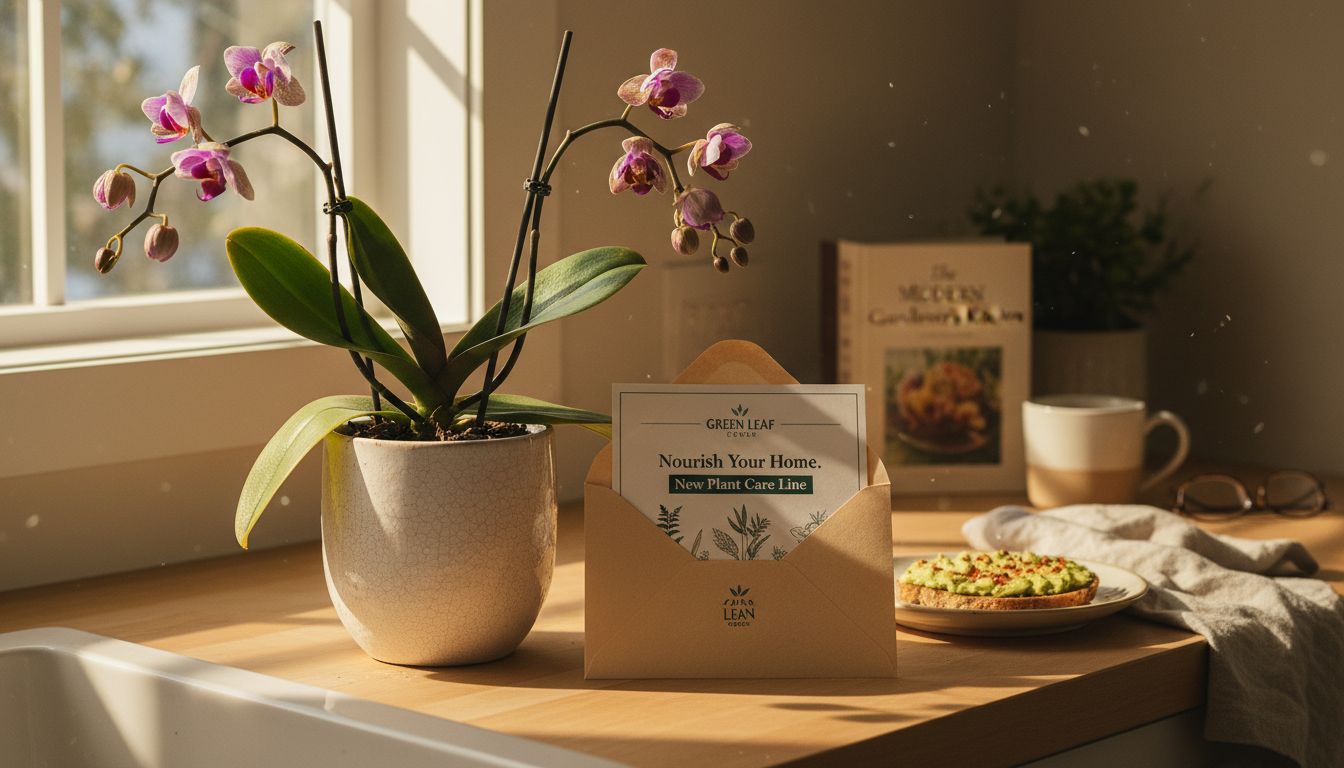
It started with an orchid I forgot to water. Not exactly a high-stakes marketing revelation, right? But as I stared at its crisp, wilted remains on the kitchen bench, I couldn’t stop thinking about the avalanche of attention it got when it was alive and freshly bought: the glossy packaging, the punchy insert promising endurance, even a QR code linking to an overly dramatic care video. And then? Silence. Nothing. The post-purchase abyss.
Which got me thinking—how many brands leave customers high and dry after the moment of transaction? We obsess about acquisition and conversion like it’s the climax of the story. But the real loyalty gets forged in the unsexy middle. When the novelty wears off and you’re left with a thing that needs support, guidance, or even a gentle nudge to re-engage. That’s the sweet spot. And it's astonishing how few marketers treat it like the treasure trove it is.
Take Counter & Co, a cookware brand with oddly charismatic roasting pans—they’ve built an after-sale content loop so rich it could qualify as friendship. If you buy one of their products, you don’t just get emails, you get contextual nudges based on season, weather, even trending dishes in your area. They’ve turned post-checkout conversations into events. There’s no discount code baiting, just precise, well-timed storytelling. Like a friend reminding you that your pan deserves better than scrambled egg abuse.
The best post-purchase marketing isn’t clingy, it’s considered. It acknowledges the human rhythm of ownership—the pride, the neglect, the rediscovery. We don’t need more loyalty programs pretending to be relationships. We need quiet but sharp strategies that get people to use, love, and brag about the thing they already said yes to. Even in its slightly dusty, less Instagrammable state. Like my orchid. Which, for the record, is making a strangely defiant comeback.
Which got me thinking—how many brands leave customers high and dry after the moment of transaction? We obsess about acquisition and conversion like it’s the climax of the story. But the real loyalty gets forged in the unsexy middle. When the novelty wears off and you’re left with a thing that needs support, guidance, or even a gentle nudge to re-engage. That’s the sweet spot. And it's astonishing how few marketers treat it like the treasure trove it is.
Take Counter & Co, a cookware brand with oddly charismatic roasting pans—they’ve built an after-sale content loop so rich it could qualify as friendship. If you buy one of their products, you don’t just get emails, you get contextual nudges based on season, weather, even trending dishes in your area. They’ve turned post-checkout conversations into events. There’s no discount code baiting, just precise, well-timed storytelling. Like a friend reminding you that your pan deserves better than scrambled egg abuse.
The best post-purchase marketing isn’t clingy, it’s considered. It acknowledges the human rhythm of ownership—the pride, the neglect, the rediscovery. We don’t need more loyalty programs pretending to be relationships. We need quiet but sharp strategies that get people to use, love, and brag about the thing they already said yes to. Even in its slightly dusty, less Instagrammable state. Like my orchid. Which, for the record, is making a strangely defiant comeback.