Why Every Regional Festival Now Thinks It’s a Fashion House
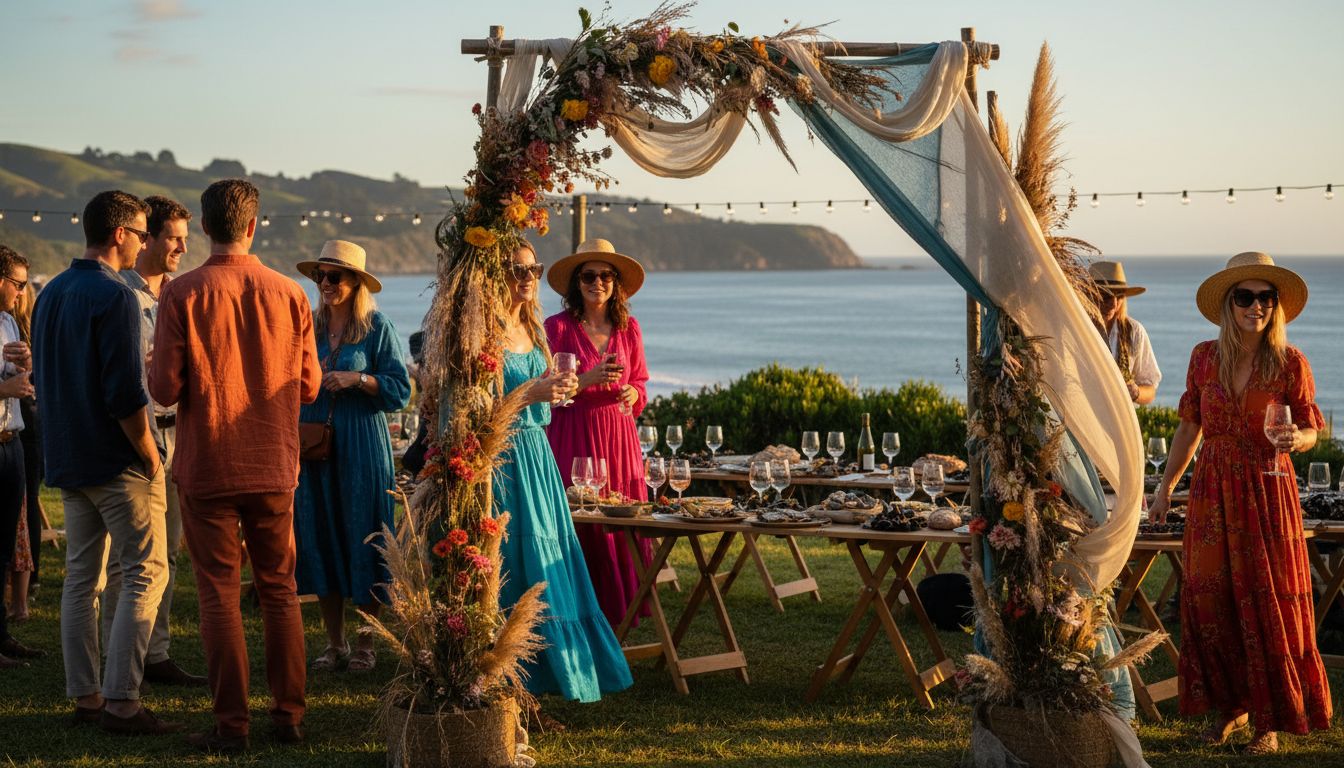
Somewhere between the artisan sausage roll and the third warm chardonnay, our regional festivals decided they were luxury brands.
Not better organised. Not better funded. Just elevated. Suddenly the annual coastal scallop weekend has a “seasonal palette”. The rural film gathering in a converted shearing shed speaks of “editions” not programmes. Even the cherry blossom parade in a town you only visit for school sports now releases a teaser campaign in late autumn, all wistful lighting and moody close‑ups of petals. It is fashion energy. And I am here for it.
What fascinates me is the precision. The way a tiny volunteer committee will debate the exact shade of apricot used on reusable wine cups because it must echo the orchard at 6.45pm in early October. The decision to rename the VIP tent something faintly European, even though everyone inside is called Dave. The carefully rationed ticket drops. First release sells out in seven minutes. Second release has a different poster. Not because they had to, but because they want the story to move. It is choreography. Rural New Zealand doing narrative arcs.
This shift says something bigger about 2026. Attention is scarce. Travel is expensive. If you want people to drive three hours and book a babysitter, you cannot just promise “a great day out”. You need anticipation. You need lore. So these festivals build worlds. They seed little clues on community noticeboards and in cafe windows months in advance. They treat the afterparty like a runway finale. And the best part is, it works. Tickets go. Town halls fill. People dress up, not because there is a dress code, but because the brand energy suggests you should try a bit harder.
We used to think serious branding belonged to global giants with glass offices. Now it belongs to the kumara festival committee with a spreadsheet and a group chat. It is playful. It is slightly dramatic. It is very New Zealand. And if the scallop weekend wants to call itself a “capsule experience”, I will happily buy the early release and plan my outfit accordingly.
Not better organised. Not better funded. Just elevated. Suddenly the annual coastal scallop weekend has a “seasonal palette”. The rural film gathering in a converted shearing shed speaks of “editions” not programmes. Even the cherry blossom parade in a town you only visit for school sports now releases a teaser campaign in late autumn, all wistful lighting and moody close‑ups of petals. It is fashion energy. And I am here for it.
What fascinates me is the precision. The way a tiny volunteer committee will debate the exact shade of apricot used on reusable wine cups because it must echo the orchard at 6.45pm in early October. The decision to rename the VIP tent something faintly European, even though everyone inside is called Dave. The carefully rationed ticket drops. First release sells out in seven minutes. Second release has a different poster. Not because they had to, but because they want the story to move. It is choreography. Rural New Zealand doing narrative arcs.
This shift says something bigger about 2026. Attention is scarce. Travel is expensive. If you want people to drive three hours and book a babysitter, you cannot just promise “a great day out”. You need anticipation. You need lore. So these festivals build worlds. They seed little clues on community noticeboards and in cafe windows months in advance. They treat the afterparty like a runway finale. And the best part is, it works. Tickets go. Town halls fill. People dress up, not because there is a dress code, but because the brand energy suggests you should try a bit harder.
We used to think serious branding belonged to global giants with glass offices. Now it belongs to the kumara festival committee with a spreadsheet and a group chat. It is playful. It is slightly dramatic. It is very New Zealand. And if the scallop weekend wants to call itself a “capsule experience”, I will happily buy the early release and plan my outfit accordingly.