The Pool Noodle Rebrand We Didn’t Know We Needed
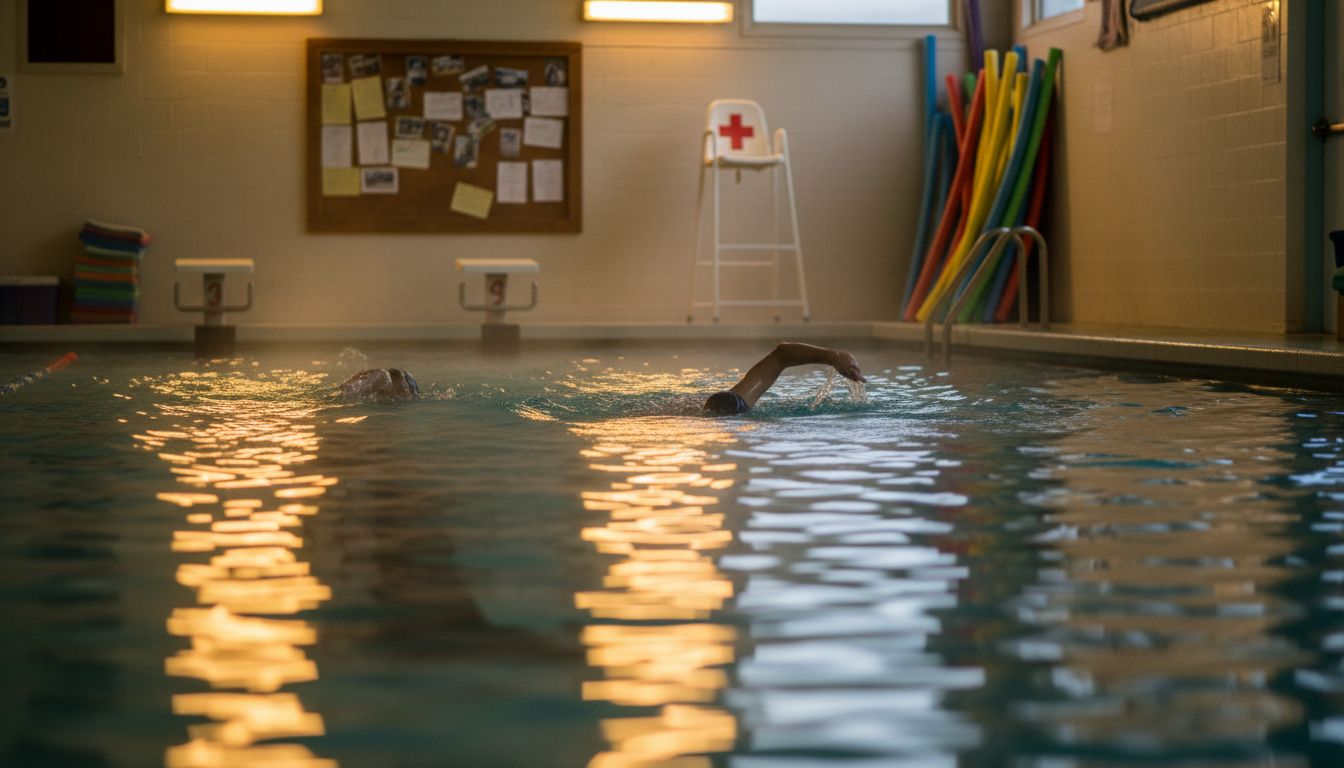
Somewhere between the hydro slide and the faded “no bombing” sign, New Zealand’s public pools have had a glow up. Not a flashy one. No influencer launch. No celebrity ribbon cutting. Just a quiet, clever repositioning that has turned chlorinated rectangles into year round community clubs.
Take the fictional but entirely believable Harbourview Aquatic Centre in a mid sized coastal town. Last winter they stopped calling it a pool. It became “Harbourview Club”. Same building. Same lifeguards. But suddenly there were early morning writers’ laps, where locals swam ten lengths then sat in the foyer with coffee and notebooks. Friday night lane hire turned into social relays with playlists curated by the swim coaches. They introduced hand stamped loyalty cards, old school, ten swims and your eleventh is free. Teenagers started hanging around again, not because it was cool, but because it felt like theirs.
This is marketing without shouting. It is about framing. For years, public pools have been sold as facilities. Functional. Slightly damp. A place your aunt does aqua jogging. The smart operators realised they were sitting on the only warm, lit, affordable gathering space in town during winter. So they leaned into ritual. Membership names. Noticeboards filled with Polaroids of regulars. Staff bios that read like rugby team profiles. It is branding as belonging, and it works because it is specific. Not “something for everyone”. More like “if you swim at 6am you are part of the Tidal Six”.
Agencies love to talk about community, but here it is in its togs. No grand campaign. Just a reframing of what was already there. In 2026, when every second space is trying to be premium or exclusive, the most radical move might be to take a municipal asset and treat it like a members club. With pool noodles. And laminated cards. And a receptionist who knows your name before you’ve even dried off.
Take the fictional but entirely believable Harbourview Aquatic Centre in a mid sized coastal town. Last winter they stopped calling it a pool. It became “Harbourview Club”. Same building. Same lifeguards. But suddenly there were early morning writers’ laps, where locals swam ten lengths then sat in the foyer with coffee and notebooks. Friday night lane hire turned into social relays with playlists curated by the swim coaches. They introduced hand stamped loyalty cards, old school, ten swims and your eleventh is free. Teenagers started hanging around again, not because it was cool, but because it felt like theirs.
This is marketing without shouting. It is about framing. For years, public pools have been sold as facilities. Functional. Slightly damp. A place your aunt does aqua jogging. The smart operators realised they were sitting on the only warm, lit, affordable gathering space in town during winter. So they leaned into ritual. Membership names. Noticeboards filled with Polaroids of regulars. Staff bios that read like rugby team profiles. It is branding as belonging, and it works because it is specific. Not “something for everyone”. More like “if you swim at 6am you are part of the Tidal Six”.
Agencies love to talk about community, but here it is in its togs. No grand campaign. Just a reframing of what was already there. In 2026, when every second space is trying to be premium or exclusive, the most radical move might be to take a municipal asset and treat it like a members club. With pool noodles. And laminated cards. And a receptionist who knows your name before you’ve even dried off.