The Strange Rise of the Professional Taster
Something odd is happening in brand activations. The most interesting person in the room is no longer the marketer. It is the taster.
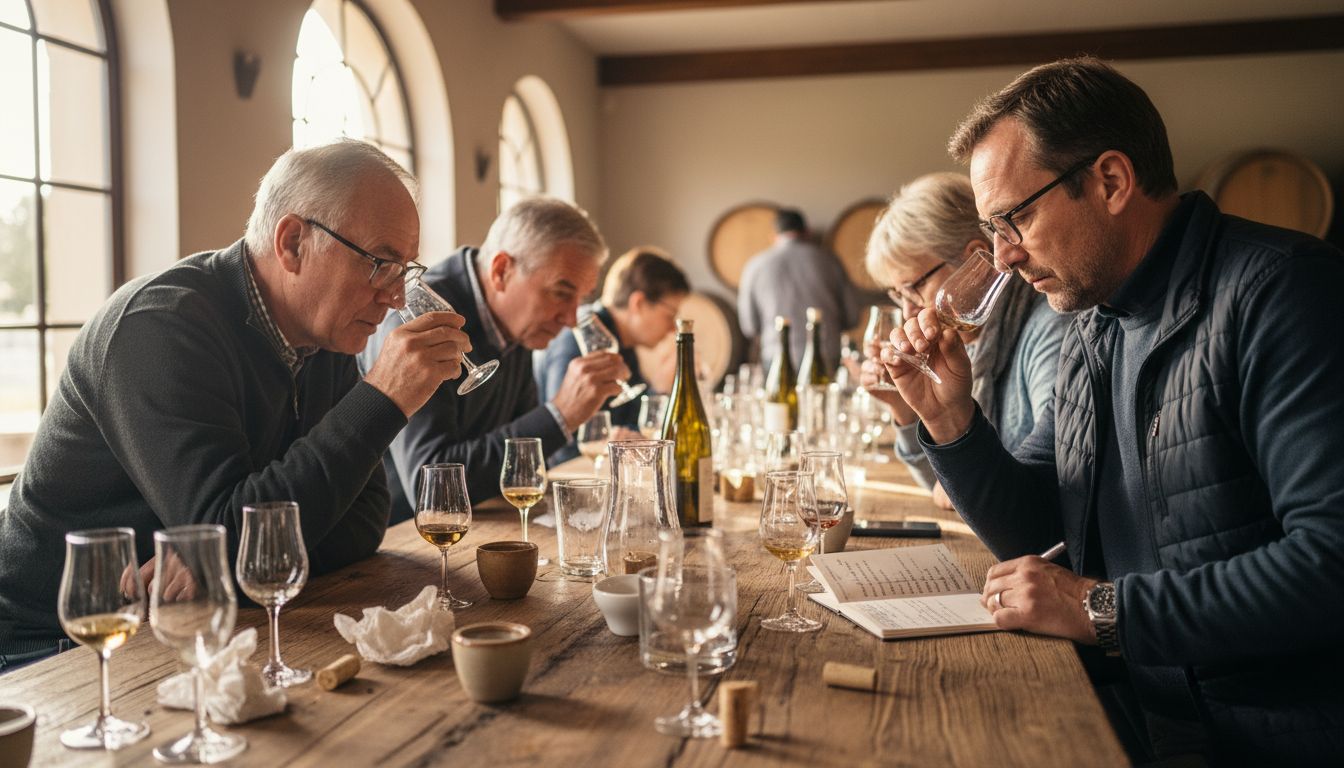
A small beverage outfit called Bright Current started it. Instead of glossy hosts with perfect talking points, they hired a rotating crew of what they call "professional tasters". Retired bakers. Amateur jam judges. People who have spent thirty years quietly forming opinions about flavour. Their job is simple. Sit at a long table. Taste things slowly. Talk about it in excruciating detail while strangers listen in. The brand sits politely in the background.
It works because the modern audience can smell scripting from across the room. A real taster goes off course. They describe a drink as "the sort of thing you'd want after mowing wet grass". They argue about whether citrus should feel sharp or round. People lean in. Phones stay in pockets. The brand gets something far more useful than attention. It gets language. Words that actual humans might use later.
Quietly, AI is becoming the rehearsal partner for this. Before the event, organisers feed an AI hundreds of tasting notes from hobby clubs, food competitions, and obscure forums. Then they generate strange practice prompts for the tasters. Things like: "Describe this drink as if you found it in a chilly garage fridge after fixing a lawnmower." It sounds ridiculous. It trains people to speak vividly. Expect more of this. Brands building tiny theatres of genuine opinion. Less presenting. More wandering conversation. The future of marketing might look suspiciously like a long table, a few curious strangers, and someone saying, hang on, taste this again.
A small beverage outfit called Bright Current started it. Instead of glossy hosts with perfect talking points, they hired a rotating crew of what they call "professional tasters". Retired bakers. Amateur jam judges. People who have spent thirty years quietly forming opinions about flavour. Their job is simple. Sit at a long table. Taste things slowly. Talk about it in excruciating detail while strangers listen in. The brand sits politely in the background.
It works because the modern audience can smell scripting from across the room. A real taster goes off course. They describe a drink as "the sort of thing you'd want after mowing wet grass". They argue about whether citrus should feel sharp or round. People lean in. Phones stay in pockets. The brand gets something far more useful than attention. It gets language. Words that actual humans might use later.
Quietly, AI is becoming the rehearsal partner for this. Before the event, organisers feed an AI hundreds of tasting notes from hobby clubs, food competitions, and obscure forums. Then they generate strange practice prompts for the tasters. Things like: "Describe this drink as if you found it in a chilly garage fridge after fixing a lawnmower." It sounds ridiculous. It trains people to speak vividly. Expect more of this. Brands building tiny theatres of genuine opinion. Less presenting. More wandering conversation. The future of marketing might look suspiciously like a long table, a few curious strangers, and someone saying, hang on, taste this again.