The Quiet Rise of Scent Campaigns
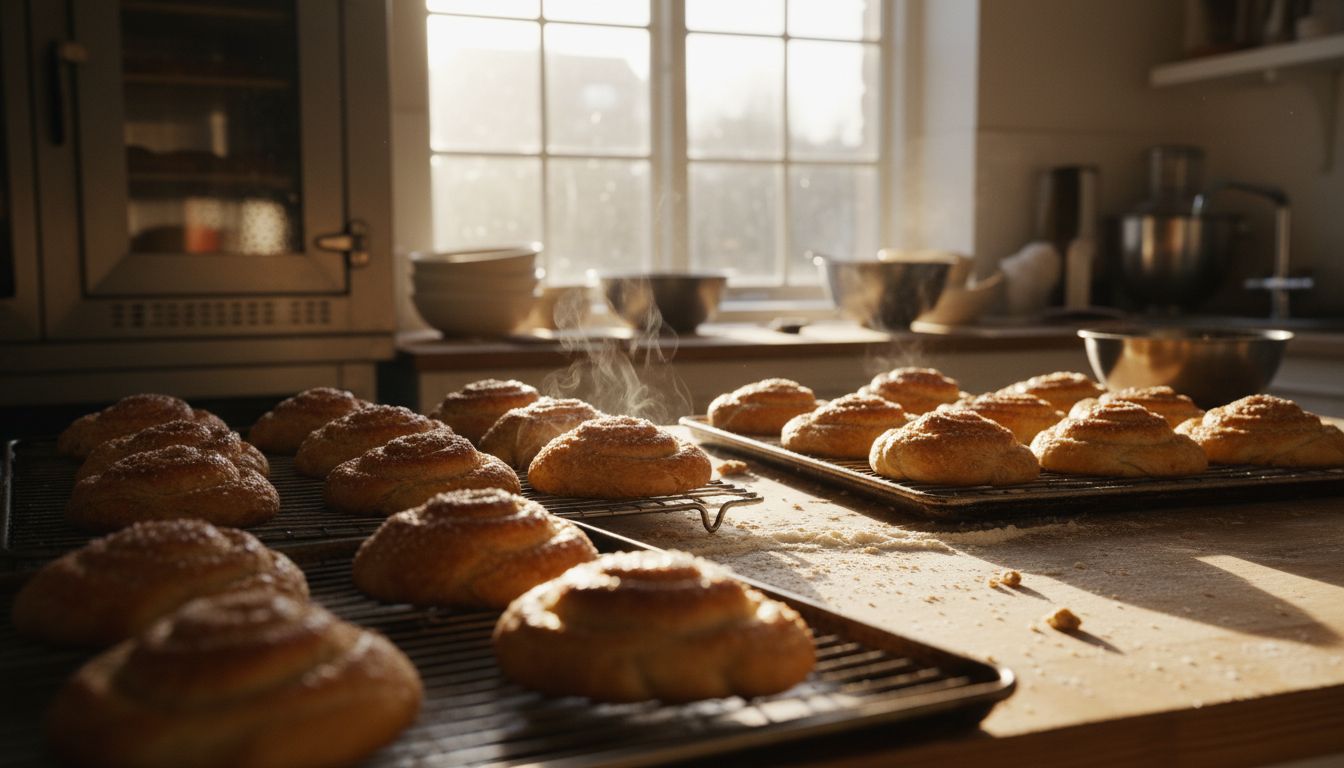
A small bakery chain recently released a new campaign that had no poster, no jingle, no celebrity, and no social video. Instead they shipped out tiny scent cartridges to offices, taxis, waiting rooms, and hair salons. Not branded. Not labelled. Just the smell of warm cardamom buns drifting through ordinary Tuesday mornings. A week later their new product landed. People swore they had been craving it all week. They were not wrong.
Marketers love what they can measure. Clicks. Views. Reach. But smell refuses to sit still in a spreadsheet. That is precisely why creative teams are suddenly fascinated by it. A scent moves straight past your rational brain and sits in memory like a stone in a pocket. One agency recently ran a test with a made up sparkling drink. They released the scent of lime peel and cold metal near gyms and indoor courts. Two weeks later they launched the drink. Sales beat projections without a single flashy media buy. Just noses doing quiet work.
AI has crept into this space in a strange way. Not by generating ads, but by helping design smells. Creative teams now feed language models emotional descriptions and cultural cues, then translate the outputs into scent recipes. One prompt doing the rounds in studios looks like this: "Describe the smell of a small victory after a long day, include food notes, weather hints, and a sense of relief." The results get handed to perfumers who treat the text like a brief. Suddenly marketing smells like toasted sugar, citrus peel, and the inside of a sports bag after a win.
What happens next is where it gets interesting. Cinemas experimenting with timed scent moments. Event spaces changing fragrance every hour to reset attention. Product launches that begin with a smell drifting through a crowd before anyone sees the product. We spent twenty years shouting for attention with screens. Now the clever work might arrive through the nose, quietly, before anyone realises a campaign has even started.
Marketers love what they can measure. Clicks. Views. Reach. But smell refuses to sit still in a spreadsheet. That is precisely why creative teams are suddenly fascinated by it. A scent moves straight past your rational brain and sits in memory like a stone in a pocket. One agency recently ran a test with a made up sparkling drink. They released the scent of lime peel and cold metal near gyms and indoor courts. Two weeks later they launched the drink. Sales beat projections without a single flashy media buy. Just noses doing quiet work.
AI has crept into this space in a strange way. Not by generating ads, but by helping design smells. Creative teams now feed language models emotional descriptions and cultural cues, then translate the outputs into scent recipes. One prompt doing the rounds in studios looks like this: "Describe the smell of a small victory after a long day, include food notes, weather hints, and a sense of relief." The results get handed to perfumers who treat the text like a brief. Suddenly marketing smells like toasted sugar, citrus peel, and the inside of a sports bag after a win.
What happens next is where it gets interesting. Cinemas experimenting with timed scent moments. Event spaces changing fragrance every hour to reset attention. Product launches that begin with a smell drifting through a crowd before anyone sees the product. We spent twenty years shouting for attention with screens. Now the clever work might arrive through the nose, quietly, before anyone realises a campaign has even started.