When Your Packaging Undergoes an Existential Crisis
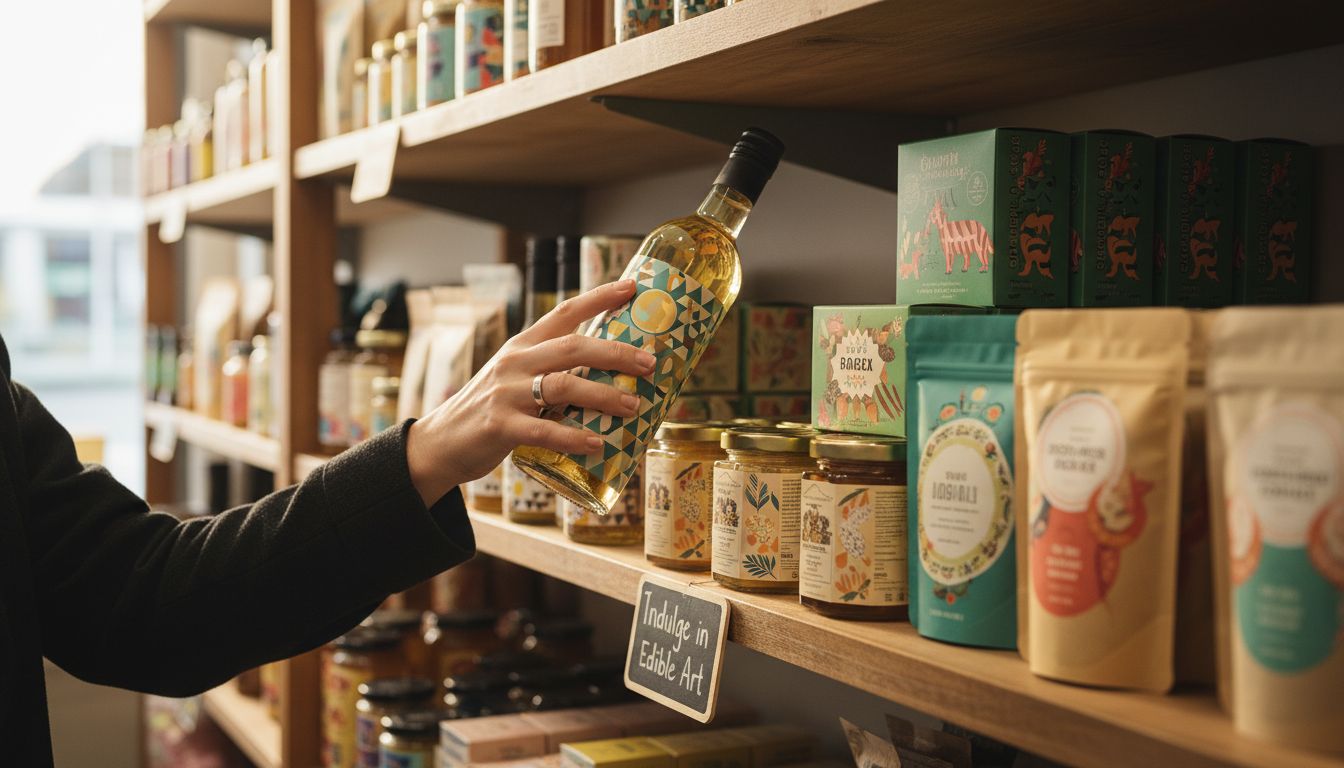
Let me take you back to last Friday. I’m halfway through a kombucha aisle in Ponsonby, holding a bottle that looks like it might solve a crime or start a podcast. The label reads like a wellness manifesto, the bottle shape is oddly sensual, and the logo says, in not so many words, trust me. But here's the kicker. It took me five full minutes to figure out what flavour it was.
Packaging, once the wallflower of brand marketing, has become the main event. It has feelings now. It has aspirations. It wants to be photographed on your reclaimed rimu shelf. You no longer pick up shampoo; shampoo picks you. It whispers through embossing and minimalist gradients, implying this product “gets you” in a way your last two flatmates didn't.
This is no accident. There’s a growing faction of Kiwi brands treating their products like minor characters in a Wes Anderson film. They’re applying cinematic logic to FMCG, and it’s irresistible. Think Allbirds-level storytelling on a peanut butter jar. We're deep into the era of packaging as ecosystem. The sense that you’re buying into a world, not just a product. A $14 jar of tahini starts to feel like a vote for better aesthetics in daily life.
Is it effective? Undeniably. We swipe right on products now. The trick is to make the packaging feel like a reflection of who we think we are, minus the try-hard. So if your cold-pressed juice wants to reinvent itself as a self-aware oracle wrapped in compostable paper, I say go for it. But at the very least, give me the flavour up front. I'm thirsty, not decoding a thesis.
Packaging, once the wallflower of brand marketing, has become the main event. It has feelings now. It has aspirations. It wants to be photographed on your reclaimed rimu shelf. You no longer pick up shampoo; shampoo picks you. It whispers through embossing and minimalist gradients, implying this product “gets you” in a way your last two flatmates didn't.
This is no accident. There’s a growing faction of Kiwi brands treating their products like minor characters in a Wes Anderson film. They’re applying cinematic logic to FMCG, and it’s irresistible. Think Allbirds-level storytelling on a peanut butter jar. We're deep into the era of packaging as ecosystem. The sense that you’re buying into a world, not just a product. A $14 jar of tahini starts to feel like a vote for better aesthetics in daily life.
Is it effective? Undeniably. We swipe right on products now. The trick is to make the packaging feel like a reflection of who we think we are, minus the try-hard. So if your cold-pressed juice wants to reinvent itself as a self-aware oracle wrapped in compostable paper, I say go for it. But at the very least, give me the flavour up front. I'm thirsty, not decoding a thesis.