Why Beauty Brands Are Suddenly Obsessed With Mushrooms
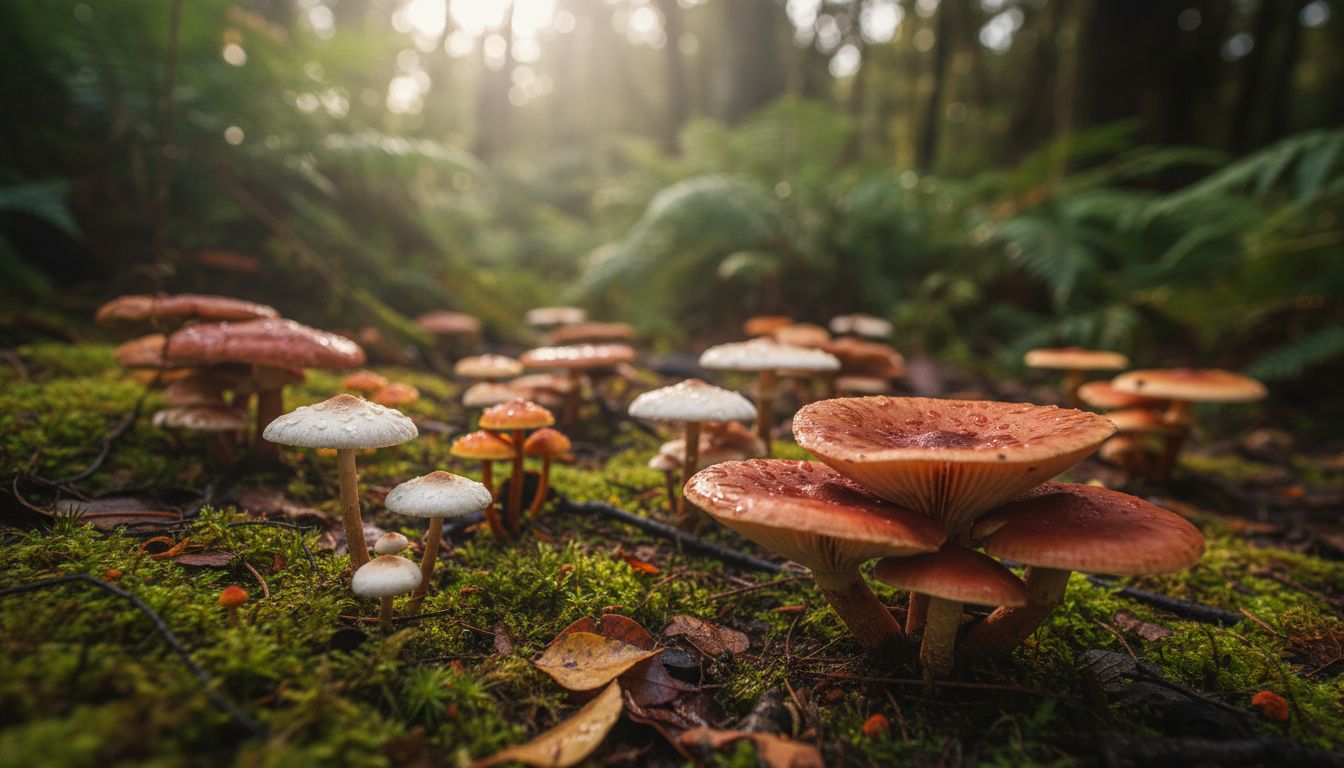
It started with a serum. Sleek bottle, cryptic label. Promised dewy skin and radiance with something called 'snow mushroom extract'. I rolled my eyes, then I Googled it. Three hours later, I had a shopping cart full of fungal elixirs and a tab open on wild foraging courses in Nelson.
The mushroom moment isn’t just about wellness influencers or Etsy witches. It’s showing up across beauty, skincare, drinks, even packaging. And no, it’s not a phase. This is a classic case of trend migration, where niche bio-tech hustlers and eco-luxe designers collide. Suddenly, brands realised fungi can hydrate skin, heal soil, and maybe hack longevity. That’s a marketing triple threat. Shroomtalk sounds sexy now.
But here's where it gets sharp: this isn't just a vibe shift, it's a semiotic pivot. The language around beauty has morphed from medical and minimal to earthy and mysterious. Fungi aren’t cute. They're barely understood. That’s the point. When your brand frames a fungus as an ethereal force of nature, it lets you sell a $109 cream with ancient-mycellium-magic instead of argan oil 2.0. Consumers buy into the mystery. It’s not a lie, but it’s definitely theatre.
Is it sustainable? Probably more than most. Is it smart marketing? Absolutely. And I’m not even mad. Because if brands are finally embracing complexity and weirdness, we’re in a better place than the sterile monoculture of cucumber-scented BS. Let the mycelium win.
The mushroom moment isn’t just about wellness influencers or Etsy witches. It’s showing up across beauty, skincare, drinks, even packaging. And no, it’s not a phase. This is a classic case of trend migration, where niche bio-tech hustlers and eco-luxe designers collide. Suddenly, brands realised fungi can hydrate skin, heal soil, and maybe hack longevity. That’s a marketing triple threat. Shroomtalk sounds sexy now.
But here's where it gets sharp: this isn't just a vibe shift, it's a semiotic pivot. The language around beauty has morphed from medical and minimal to earthy and mysterious. Fungi aren’t cute. They're barely understood. That’s the point. When your brand frames a fungus as an ethereal force of nature, it lets you sell a $109 cream with ancient-mycellium-magic instead of argan oil 2.0. Consumers buy into the mystery. It’s not a lie, but it’s definitely theatre.
Is it sustainable? Probably more than most. Is it smart marketing? Absolutely. And I’m not even mad. Because if brands are finally embracing complexity and weirdness, we’re in a better place than the sterile monoculture of cucumber-scented BS. Let the mycelium win.