What I Learned After Clicking on 432 Instagram Ads in One Week
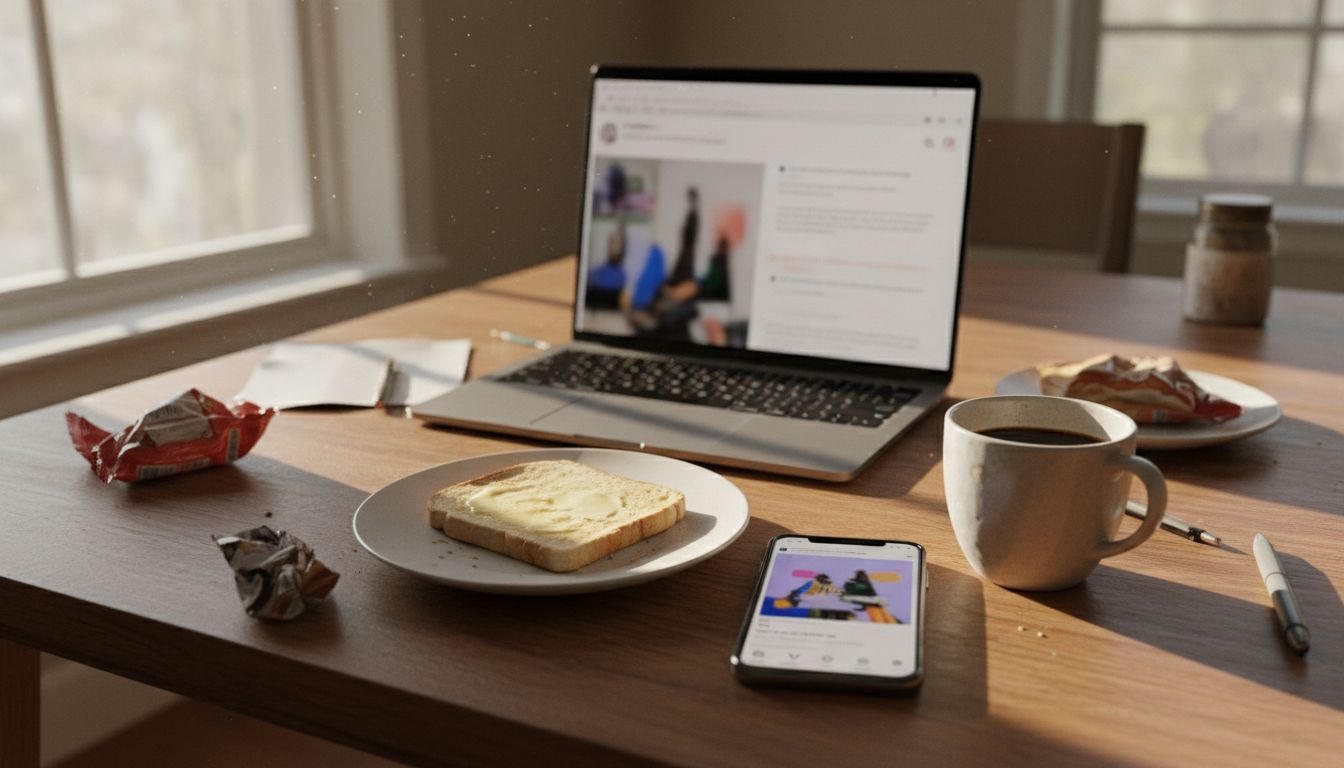
Let me confess something: last week, I clicked on every Instagram ad I saw for seven days straight. That’s 432 sponsored posts. I tracked each one like a digital anthropologist with too much time and a poor grip on self-control.
Why? Because the ads were changing. Less polished, more chaotic. There was a woman swatting flies with a handbag to sell eco-toothpaste. A bakery selling cinnamon rolls with a video shot in portrait mode, handheld, zooming in weirdly on the owner’s flour-dusted chin. Two years ago, this would’ve been considered sloppy. Now, it converts.
It’s the ‘Main Character Ad’ era. Feed ads are turning into miniature performance pieces. Marketers are stepping out from behind the camera and into the spotlight, flaws and all. Self-deprecation, shaky visuals, awkward honesty—it’s working. It’s the anti-ad ad. Not because people have shorter attention spans, but because they’ve developed Olympic-level banner blindness. We recognise highly polished ad content for what it is, and our collective brain tunes out. Give us a wobbly handheld camera and a braless founder talking about how custom dog leads changed her life? We’ll sit through the whole thing.
The implication for creatives is thrilling and terrifying. The polish is no longer the prize. It’s about permission. Who gave you the right to take up two seconds of my scroll? Not a logo. Not a soundtracked drone shot over a factory roof. A face, fumbling through the why. That’s what we trust in 2025. And I have 432 receipts to prove it.
Why? Because the ads were changing. Less polished, more chaotic. There was a woman swatting flies with a handbag to sell eco-toothpaste. A bakery selling cinnamon rolls with a video shot in portrait mode, handheld, zooming in weirdly on the owner’s flour-dusted chin. Two years ago, this would’ve been considered sloppy. Now, it converts.
It’s the ‘Main Character Ad’ era. Feed ads are turning into miniature performance pieces. Marketers are stepping out from behind the camera and into the spotlight, flaws and all. Self-deprecation, shaky visuals, awkward honesty—it’s working. It’s the anti-ad ad. Not because people have shorter attention spans, but because they’ve developed Olympic-level banner blindness. We recognise highly polished ad content for what it is, and our collective brain tunes out. Give us a wobbly handheld camera and a braless founder talking about how custom dog leads changed her life? We’ll sit through the whole thing.
The implication for creatives is thrilling and terrifying. The polish is no longer the prize. It’s about permission. Who gave you the right to take up two seconds of my scroll? Not a logo. Not a soundtracked drone shot over a factory roof. A face, fumbling through the why. That’s what we trust in 2025. And I have 432 receipts to prove it.