The Witchy Allure of Scent Marketing (and Why Your Local Yoga Studio Smells Like Lavender Lies)
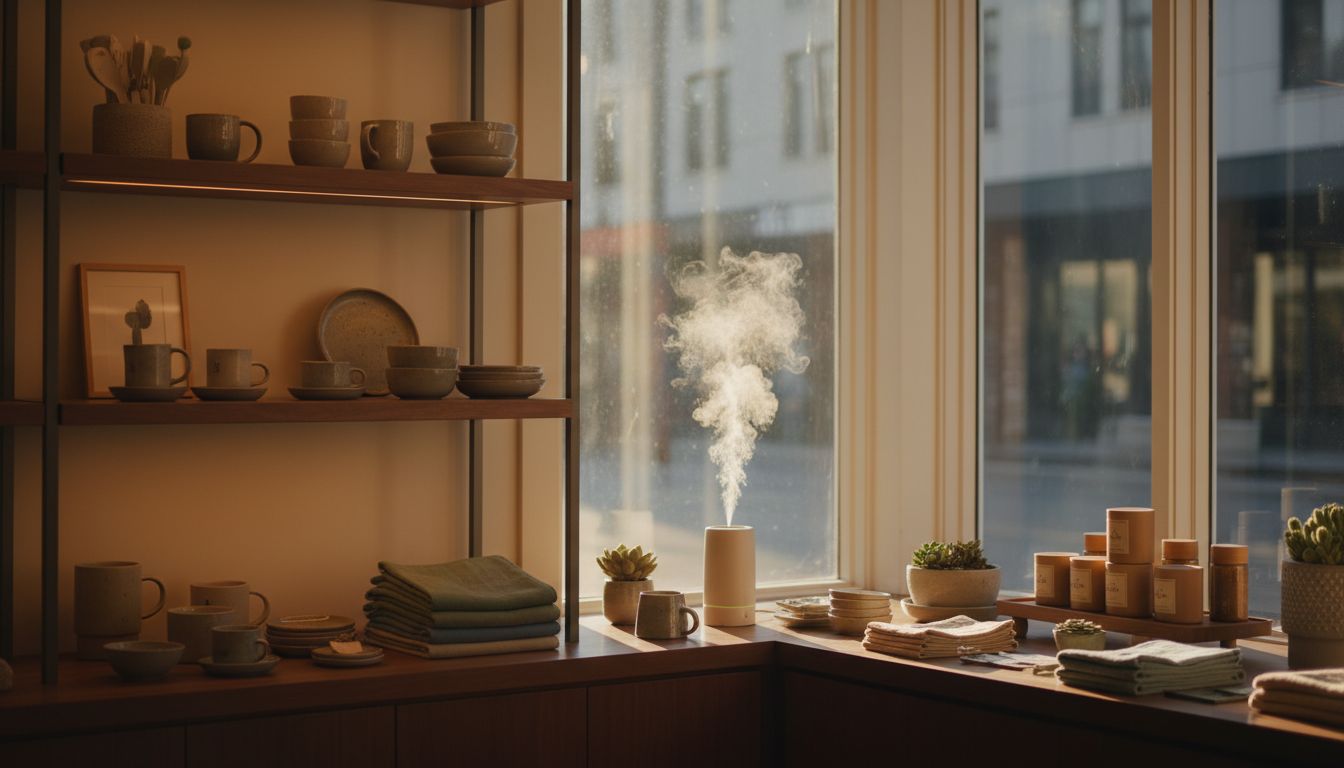
Scroll through any upmarket lifestyle brand’s Instagram and you’ll sniff something long before you see it. Not literally, but it seeps in, doesn’t it? Scent is the new siren song of marketing — invisible, unprovable, unforgettable. And lately, I’ve been nose-deep in it.
What started as a passing curiosity after I noticed all boutique gyms smelling faintly like Swedish saunas and optimism, turned into a full-blown fascination with how brands are using scent to seduce us. It’s everywhere now. Real estate agents dispersing the scientifically perfect cookie smell before an open home. Day spas riddling the air with fig, sandalwood, and a hint of narcissism. There’s even a chain café downtown that infuses its AC system with cinnamon oil before the morning rush. Cunning.
The kicker? It works. According to a 2023 Japanese study (which I painstakingly translated — thanks, Google Lens), ambient scent increases dwell time in stores by up to 23%. That’s nearly a quarter more time for consumers to irrationally justify spending $89 on an oat knit throw they absolutely didn’t need. Scent embeds memory, anchors mood, and unlike flashy logos or gimmicky activations, you can't scroll past it. You breathe it in and it sits there, calmly selling.
Should we be worried? Maybe a little. It’s sensory manipulation wrapped in eucalyptus mist. But weirdly, I kind of love it. There's a charm to how old-world it feels, like marketing finally grew up and remembered we have noses. It’s not data-driven. It’s gut-driven. Or, more accurately, nostril-driven. And in a world saturated with digital noise, it’s refreshing to see brands playing with something so human, so primal. Just don't be surprised when your next Uber ride smells like pine forest and premium leather. It means they’re trying to keep you loyal — and it just might work.
What started as a passing curiosity after I noticed all boutique gyms smelling faintly like Swedish saunas and optimism, turned into a full-blown fascination with how brands are using scent to seduce us. It’s everywhere now. Real estate agents dispersing the scientifically perfect cookie smell before an open home. Day spas riddling the air with fig, sandalwood, and a hint of narcissism. There’s even a chain café downtown that infuses its AC system with cinnamon oil before the morning rush. Cunning.
The kicker? It works. According to a 2023 Japanese study (which I painstakingly translated — thanks, Google Lens), ambient scent increases dwell time in stores by up to 23%. That’s nearly a quarter more time for consumers to irrationally justify spending $89 on an oat knit throw they absolutely didn’t need. Scent embeds memory, anchors mood, and unlike flashy logos or gimmicky activations, you can't scroll past it. You breathe it in and it sits there, calmly selling.
Should we be worried? Maybe a little. It’s sensory manipulation wrapped in eucalyptus mist. But weirdly, I kind of love it. There's a charm to how old-world it feels, like marketing finally grew up and remembered we have noses. It’s not data-driven. It’s gut-driven. Or, more accurately, nostril-driven. And in a world saturated with digital noise, it’s refreshing to see brands playing with something so human, so primal. Just don't be surprised when your next Uber ride smells like pine forest and premium leather. It means they’re trying to keep you loyal — and it just might work.