Who Gave Luxury Brands Permission to Get Boring?
Six years ago, a Dior handbag launch was a minor cultural event. People queued. Influencers plotted. Even the colour of the invitation warranted debate. In 2025? Dior is launching another limited edition this Thursday and no one outside the PR team seems to care.
Luxury marketing has, somewhat tragically, become a spreadsheet. The once sprightly mix of risk, mystery, and unapologetic weirdness has been boxed into quarterly timelines and slide decks. Look at the campaigns: same milk-bath models, same whispered existential taglines, same ambient piano on the film scores. Is this fashion or a meditation app?
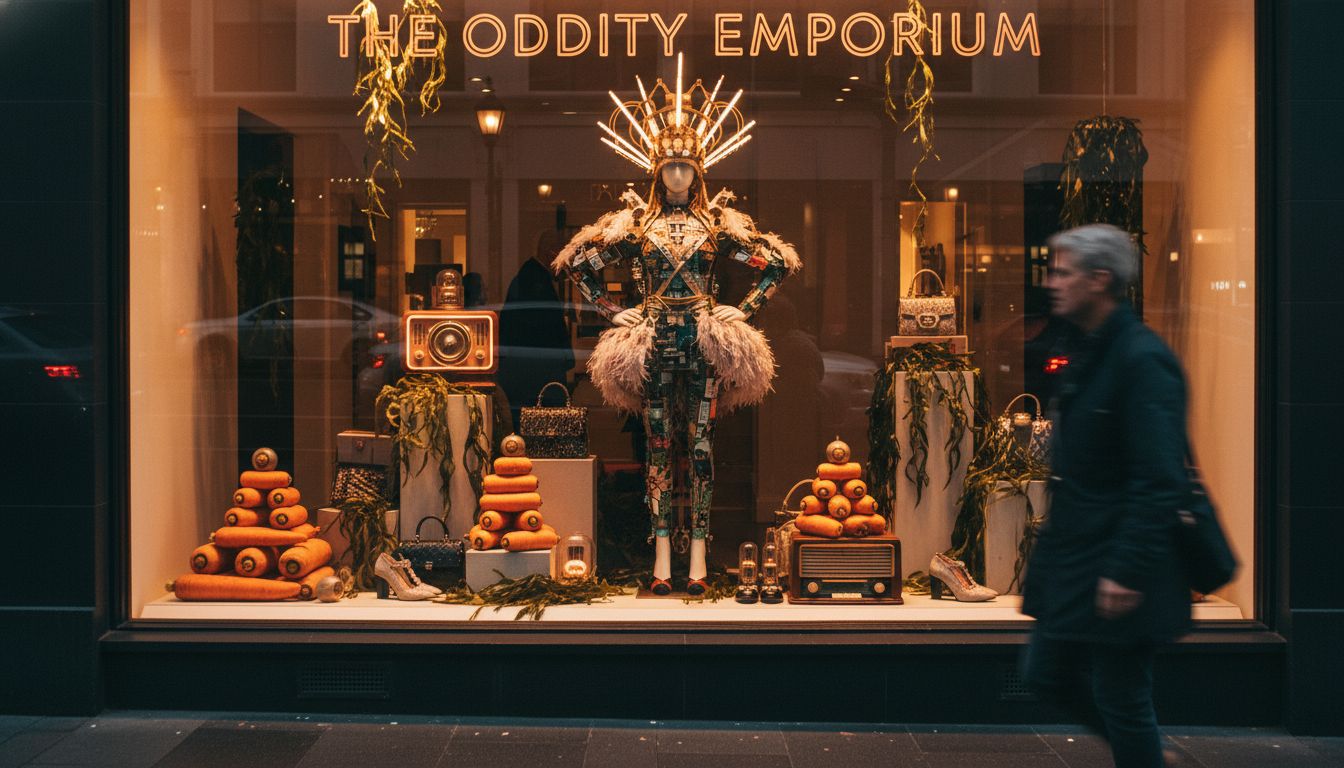
But the real tragedy is that they didn’t have to go this way. Loewe proved you can sell $3,200 handbags and still run ads with ceramic carrots, abstract lawn installations, or a model holding seaweed like it’s an heirloom. They went art school theatre kid, and people are eating it up like it’s gelato in Milan. So the question is, what’s stopping the rest?
It’s time for luxury brands to stop treating their audiences like algorithms. The very idea of luxury is supposed to be indulgent, irrational, emotional. Instead, too many houses now look like they’ve been media trained by accountants. You know what’s starting to feel truly luxurious in 2025? A campaign that makes zero sense, but makes you feel something anyway.
Luxury marketing has, somewhat tragically, become a spreadsheet. The once sprightly mix of risk, mystery, and unapologetic weirdness has been boxed into quarterly timelines and slide decks. Look at the campaigns: same milk-bath models, same whispered existential taglines, same ambient piano on the film scores. Is this fashion or a meditation app?
But the real tragedy is that they didn’t have to go this way. Loewe proved you can sell $3,200 handbags and still run ads with ceramic carrots, abstract lawn installations, or a model holding seaweed like it’s an heirloom. They went art school theatre kid, and people are eating it up like it’s gelato in Milan. So the question is, what’s stopping the rest?
It’s time for luxury brands to stop treating their audiences like algorithms. The very idea of luxury is supposed to be indulgent, irrational, emotional. Instead, too many houses now look like they’ve been media trained by accountants. You know what’s starting to feel truly luxurious in 2025? A campaign that makes zero sense, but makes you feel something anyway.