When a Wine Tasting Becomes Brand Strategy
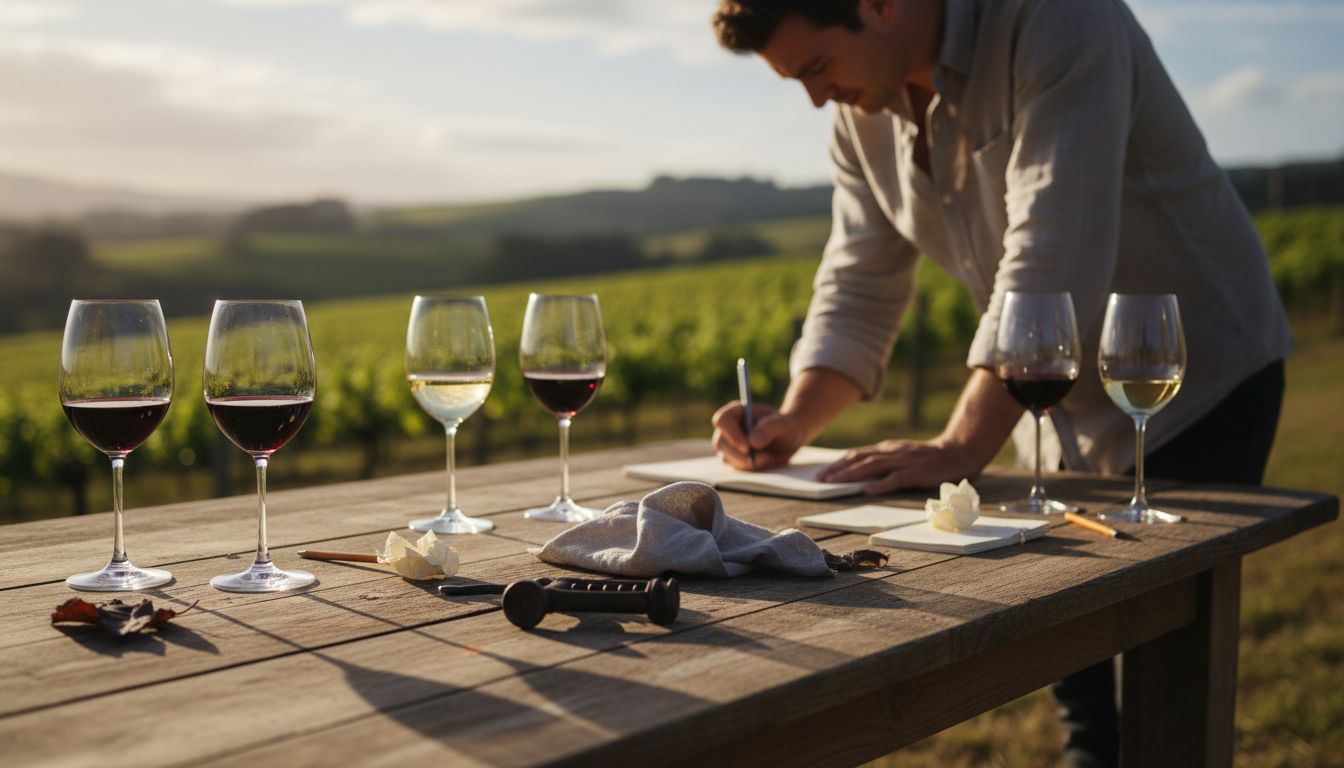
I didn't plan to spend three hours at a Central Otago pinot noir tasting trying to decode packaging hierarchies, but here we are. Somewhere between my second swirl and third pour, I realised that boutique wineries are quietly doing what many corporates only pretend to do: telling real stories, with restraint, through design.
Not in a chest-thumping, on-the-nose kind of way. More like a nod across the table. Everything matters—the embossed paper, the bottle silhouette, the choice between 'Reserve' and 'Barrel Aged' on the back label. These families, many of them generational, have figured out that luxury doesn't scream. It murmurs. And the best ones don’t try to match the wine’s flavour profile with florid adjectives. Instead, they make a choice to feel like a person, not a brand.
I spoke to a winemaker who said they stopped using screw caps because customers 'missed the ritual'. That’s pure behavioural insight, masquerading as tradition. It hits different when you think of marketing as anthropology instead of performance. There’s a reason why these stories get remembered longer than slogans. They’ve been lived.
In a world tripping over brand archetypes and over-delivering touchpoints, maybe your next R&D sprint should start with a cork, not a Canva template. Because sometimes, the most disciplined branding comes with sediment at the bottom.
Not in a chest-thumping, on-the-nose kind of way. More like a nod across the table. Everything matters—the embossed paper, the bottle silhouette, the choice between 'Reserve' and 'Barrel Aged' on the back label. These families, many of them generational, have figured out that luxury doesn't scream. It murmurs. And the best ones don’t try to match the wine’s flavour profile with florid adjectives. Instead, they make a choice to feel like a person, not a brand.
I spoke to a winemaker who said they stopped using screw caps because customers 'missed the ritual'. That’s pure behavioural insight, masquerading as tradition. It hits different when you think of marketing as anthropology instead of performance. There’s a reason why these stories get remembered longer than slogans. They’ve been lived.
In a world tripping over brand archetypes and over-delivering touchpoints, maybe your next R&D sprint should start with a cork, not a Canva template. Because sometimes, the most disciplined branding comes with sediment at the bottom.