The Mid-Career Mood Boards That Rule New Zealand Advertising
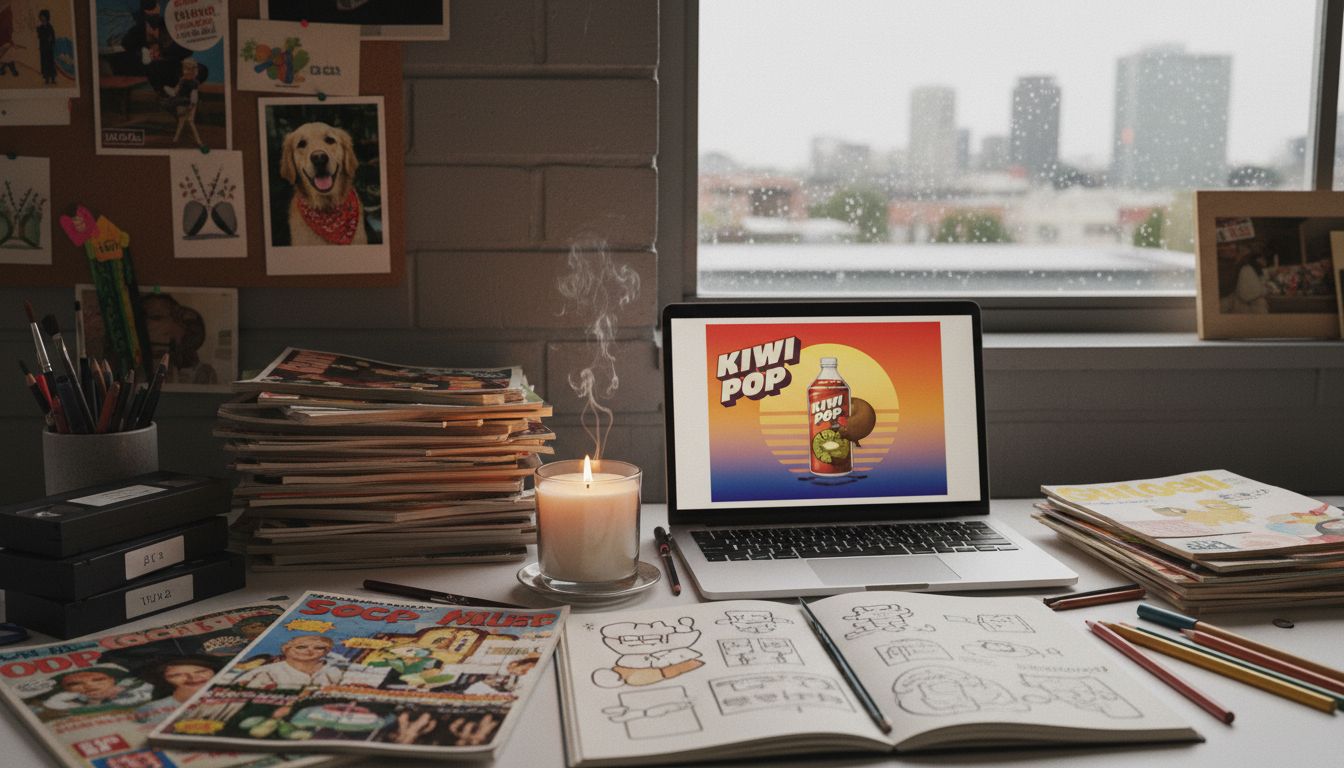
There’s a particular scent in the air at Auckland creative agencies right now. It’s part burnt toast, part nostalgia—mostly fear. The recent surge in brand campaigns curated by thirty-somethings rediscovering the aesthetic magic of their childhoods is changing what we see on our screens, and how we buy. I’m calling it: we’re in the Mood Board Renaissance. And it’s coming straight out of Tāmaki Makaurau.
I first noticed it while watching a spot for a local cleaning product. The whole vibe was weirdly sentimental. Grainy camcorder shots, a family dog with a bandana, and a midi keyboard soundtrack straight from a 1996 Fisher & Paykel demo tape. It was doctrine-level throwback. When I asked the creative director about it, she said the aim was to make people feel safe. Not clean. Safe. I haven’t stopped thinking about that.
It’s marketing as memory, not persuasion. Focus groups are being replaced with old VHS tapes from primary school camps. Mood boards now come with emotional disclaimers: “I'm sorry, this one made me cry a bit.” We’re no longer selling a product—we’re selling emotional reclamation. Even digital campaigns are starting to look like forgotten iMac screensavers from computer labs.
The kicker? It works. These are not low-budget shots in the dark, they are impressively calculated efforts to weaponise generational memory. That pink-and-teal aesthetic wasn’t accidental, it was focus-tested via private Slack groups and then ripped from New Zealand’s own TVNZ Archive. Say what you will about sentimentality, but in our market, it’s outperforming polished aspirational glitz. Maybe the future of advertising isn’t futuristic at all. Maybe it's flickering on a cathode ray tube behind your uncle’s garage fridge.
I first noticed it while watching a spot for a local cleaning product. The whole vibe was weirdly sentimental. Grainy camcorder shots, a family dog with a bandana, and a midi keyboard soundtrack straight from a 1996 Fisher & Paykel demo tape. It was doctrine-level throwback. When I asked the creative director about it, she said the aim was to make people feel safe. Not clean. Safe. I haven’t stopped thinking about that.
It’s marketing as memory, not persuasion. Focus groups are being replaced with old VHS tapes from primary school camps. Mood boards now come with emotional disclaimers: “I'm sorry, this one made me cry a bit.” We’re no longer selling a product—we’re selling emotional reclamation. Even digital campaigns are starting to look like forgotten iMac screensavers from computer labs.
The kicker? It works. These are not low-budget shots in the dark, they are impressively calculated efforts to weaponise generational memory. That pink-and-teal aesthetic wasn’t accidental, it was focus-tested via private Slack groups and then ripped from New Zealand’s own TVNZ Archive. Say what you will about sentimentality, but in our market, it’s outperforming polished aspirational glitz. Maybe the future of advertising isn’t futuristic at all. Maybe it's flickering on a cathode ray tube behind your uncle’s garage fridge.