The Gospel According to Dead Malls and Kiwi Teens
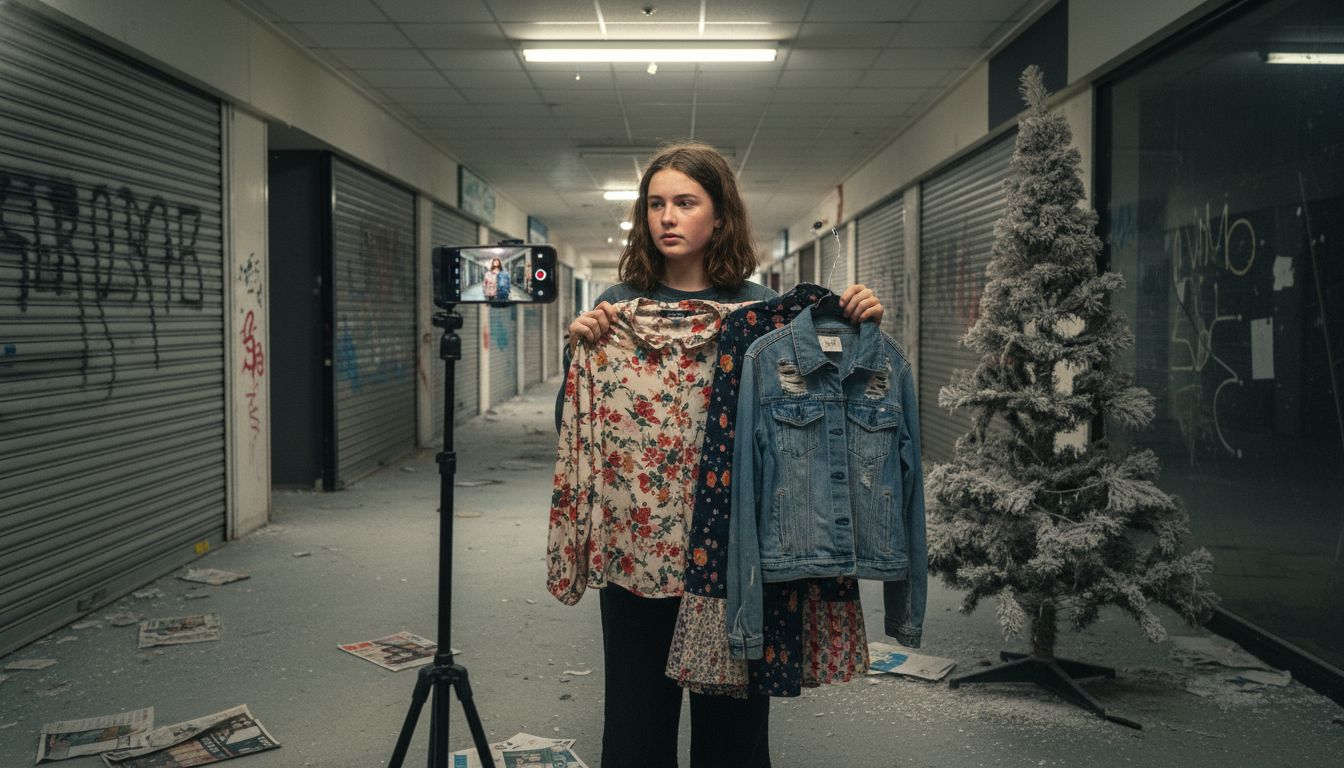
At a half-collapsed shopping centre in Manukau, one of those relics with a Christmas display still quietly rotting in July, I met the future of New Zealand marketing. She was 15, filming a haul video in front of a closed Jay Jays. No sound, just hand gestures and a bag of op-shopped chaos. Her audience? Two hundred thousand half-interested TikTok viewers, mostly global.
This, dear reader, is where eyeballs live now. Not on telly, not on traffic signage. Eyeballs are floating above expired food courts and $5 racks, drawn to the lo-fi magic of low-stakes authenticity. While marketers flap about Gen Z like they’re trying to decode ancient glyphs, the kids have already designed their own entire language. It's not polished. It’s not briefed. It definitely doesn’t have ROI charts. But it works, because it’s not trying to sell you anything. Until it is.
So here’s the challenge I’m foaming at the mouth about: why are New Zealand brands still afraid of mess? Why are they slow-walking anything that looks unscripted, unfiltered, or—God forbid—emotive? While teens are editing micro-stories on borrowed iPhones and turning them into actual cultural influence, most commercial content here still feels like it was made by a hangover committee. Our biggest missed opportunity isn't budget, it's tone. We’ve turned brand safety into brand sedation.
Don't throw your logo onto youth culture like a dog marking a tree. Show up weird. Show up human. Maybe even film next to a broken toy vending machine. If our future consumers are finding meaning in accidental corners of the internet and junk-dusted malls, maybe that’s where we should look for inspiration too. Not in the brief, but in the wild.
This, dear reader, is where eyeballs live now. Not on telly, not on traffic signage. Eyeballs are floating above expired food courts and $5 racks, drawn to the lo-fi magic of low-stakes authenticity. While marketers flap about Gen Z like they’re trying to decode ancient glyphs, the kids have already designed their own entire language. It's not polished. It’s not briefed. It definitely doesn’t have ROI charts. But it works, because it’s not trying to sell you anything. Until it is.
So here’s the challenge I’m foaming at the mouth about: why are New Zealand brands still afraid of mess? Why are they slow-walking anything that looks unscripted, unfiltered, or—God forbid—emotive? While teens are editing micro-stories on borrowed iPhones and turning them into actual cultural influence, most commercial content here still feels like it was made by a hangover committee. Our biggest missed opportunity isn't budget, it's tone. We’ve turned brand safety into brand sedation.
Don't throw your logo onto youth culture like a dog marking a tree. Show up weird. Show up human. Maybe even film next to a broken toy vending machine. If our future consumers are finding meaning in accidental corners of the internet and junk-dusted malls, maybe that’s where we should look for inspiration too. Not in the brief, but in the wild.