Why Streetwear Brands Are Winning the Luxury Game
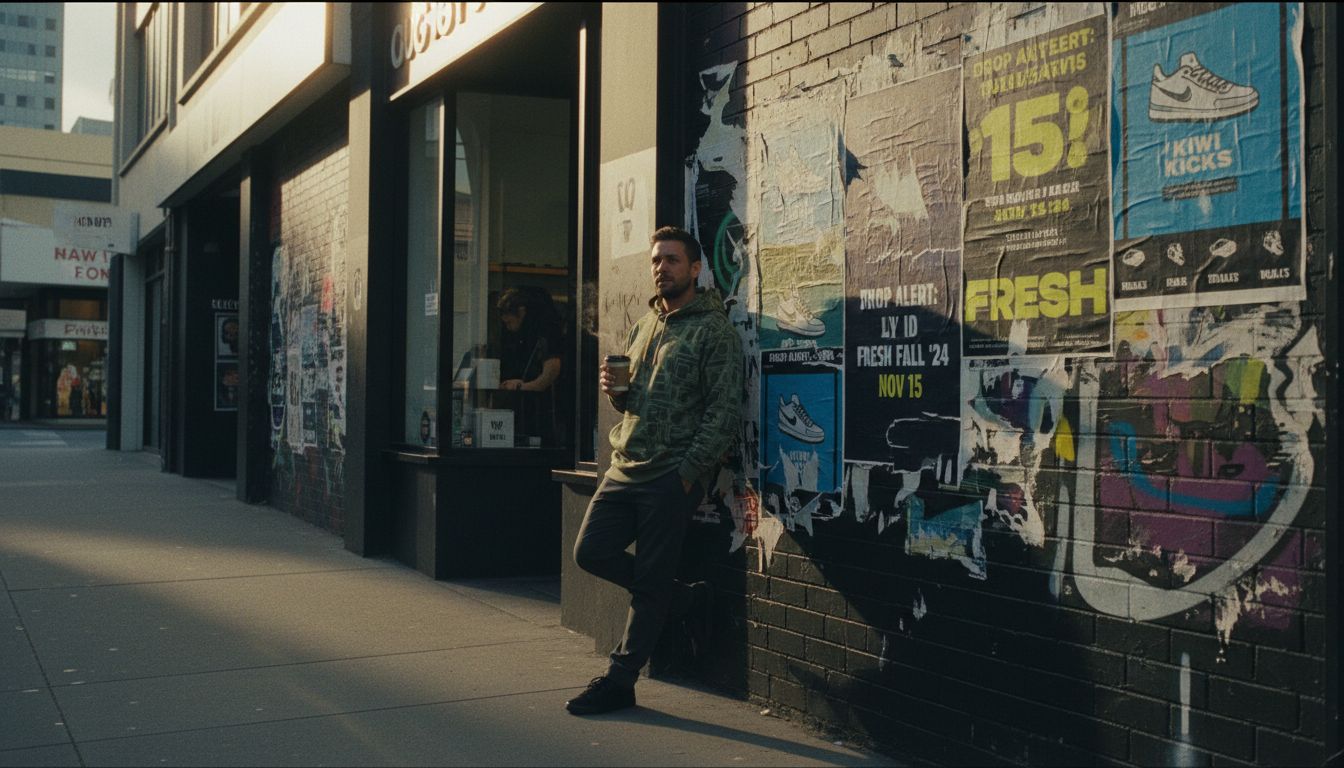
Somewhere between Parnell’s polished calm and Karangahape Road’s chaotic charm, a quiet coup has taken hold. Supreme, Stüssy, Palace—what once was skate gear bought with pocket money is now the stuff of Seven-Figure Valuations and ultra-selective collabs. But here’s where it gets fascinating: the best streetwear brands today are not selling clothing. They’re selling scarcity, belief, and culture wrapped in a cotton tee.
This isn’t a trend. This is an education in modern brand mythology. Streetwear has mastered something old money luxury never dared touch: community built on contradiction. The tension of exclusivity that doesn’t feel elitist. The unity of global drop culture with deeply local slang. And here’s the kicker, they get away with murky campaign strategies. Because the campaign is the product is the culture, is the billboard (that you never put up).
What luxury brands tried to do with heritage and precision craftsmanship, streetwear did with hype, humour and hashtags. They understood a simple truth: we trust the people wearing the gear more than the people selling it. That’s why Supreme print runs of a battered brick made headlines. It's why a hoodie can outsell a bespoke wool coat stitched in Milan.
For marketers still clinging to the yearly media plan and the 30-second hero spot, you might be missing the point. Success today is figured out on Reddit threads and Discord drop rooms, in line outside stores that don’t even have stock. The streetwear playbook doesn’t always make logical sense, but that’s why it works. It’s not just counterculture, it’s cultural alchemy—and we should be paying closer attention.
This isn’t a trend. This is an education in modern brand mythology. Streetwear has mastered something old money luxury never dared touch: community built on contradiction. The tension of exclusivity that doesn’t feel elitist. The unity of global drop culture with deeply local slang. And here’s the kicker, they get away with murky campaign strategies. Because the campaign is the product is the culture, is the billboard (that you never put up).
What luxury brands tried to do with heritage and precision craftsmanship, streetwear did with hype, humour and hashtags. They understood a simple truth: we trust the people wearing the gear more than the people selling it. That’s why Supreme print runs of a battered brick made headlines. It's why a hoodie can outsell a bespoke wool coat stitched in Milan.
For marketers still clinging to the yearly media plan and the 30-second hero spot, you might be missing the point. Success today is figured out on Reddit threads and Discord drop rooms, in line outside stores that don’t even have stock. The streetwear playbook doesn’t always make logical sense, but that’s why it works. It’s not just counterculture, it’s cultural alchemy—and we should be paying closer attention.