Why Fashion Labels Suddenly Care About People Who Camp
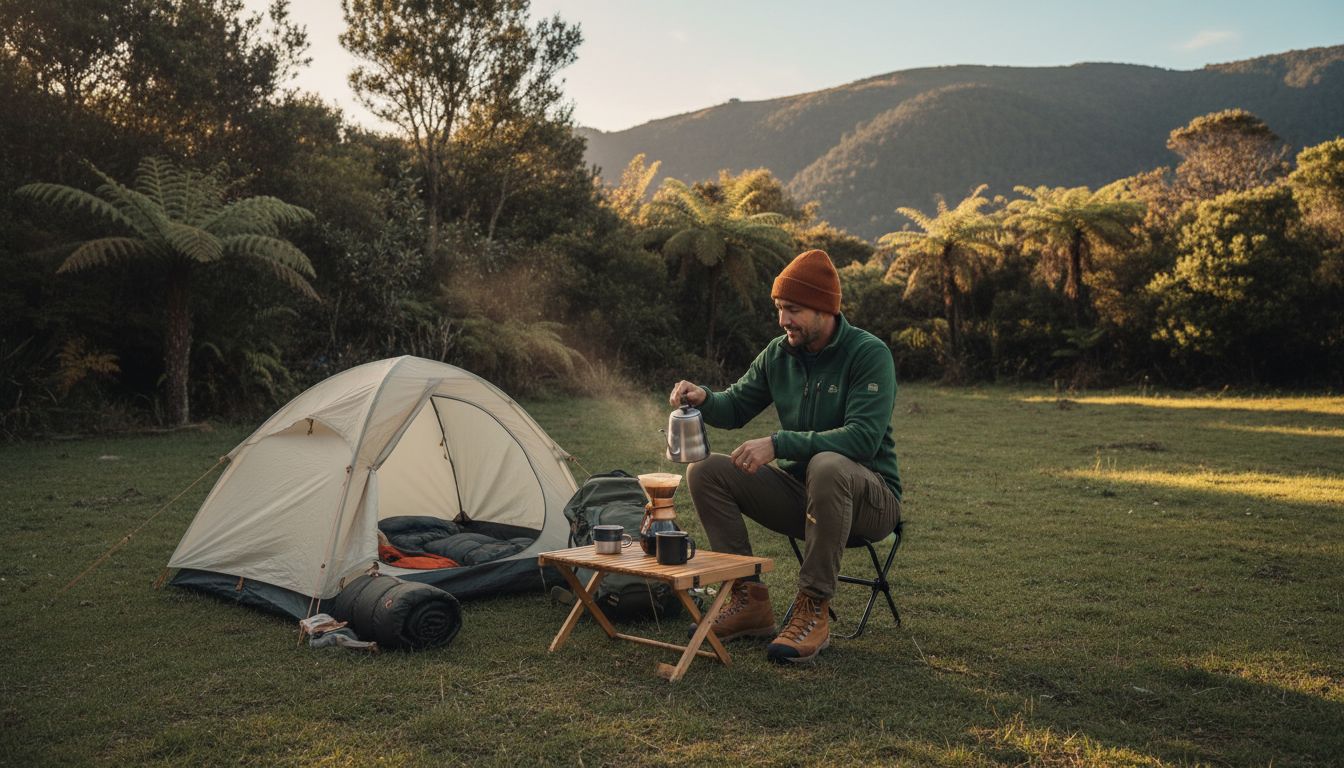
Something strange happened when I clicked into the latest Patagonia campaign. Not the usual wholesomeness. No soulful sunrise over Fiordland, no moody shot of someone brewing AeroPress on a ridgeline. Instead, a high-gloss video of a fashion-forward camper in a $900 puffer, pouring oat milk into a titanium pot. Style influencers, not mountaineers, making beans under fairy lights. This isn’t tramping. It’s branding.
Outdoor brands are being colonised by the moodboard generation. Arc'teryx, The North Face, Salomon—all quietly recalibrating their tone from rugged pragmatism to curated cool. The result? A gold rush of heritage-heavy, ‘tech-meets-aesthetic’ storytelling. They're no longer marketing jackets. They're guiding people into an idealised self-image: off-grid, yes, but only on weekends. There’s a term floating around for it—‘gorpcore’. Even that feels too knowing now.
What’s interesting is how seamlessly this dovetails with New Zealand’s own sense of self. Our brands have always told stories through landscapes. But now, it’s more than postcards. Companies like Barkers and Kowtow are weaving outdoor romance into urban wardrobes. Not out of nostalgia, but because the cultural algorithm rewards that contradiction—city humans emulating hut life, giggling in functional wool.
The opportunity here isn’t just to sell more gear. It’s to rethink how we tell stories at the intersection of environment and aesthetic. Could local brands lead that globally? Maybe. But only if they stop focusing on performance specs and start treating adventure like a cultural product, not a problem to be solved with zips and polyfill.
Outdoor brands are being colonised by the moodboard generation. Arc'teryx, The North Face, Salomon—all quietly recalibrating their tone from rugged pragmatism to curated cool. The result? A gold rush of heritage-heavy, ‘tech-meets-aesthetic’ storytelling. They're no longer marketing jackets. They're guiding people into an idealised self-image: off-grid, yes, but only on weekends. There’s a term floating around for it—‘gorpcore’. Even that feels too knowing now.
What’s interesting is how seamlessly this dovetails with New Zealand’s own sense of self. Our brands have always told stories through landscapes. But now, it’s more than postcards. Companies like Barkers and Kowtow are weaving outdoor romance into urban wardrobes. Not out of nostalgia, but because the cultural algorithm rewards that contradiction—city humans emulating hut life, giggling in functional wool.
The opportunity here isn’t just to sell more gear. It’s to rethink how we tell stories at the intersection of environment and aesthetic. Could local brands lead that globally? Maybe. But only if they stop focusing on performance specs and start treating adventure like a cultural product, not a problem to be solved with zips and polyfill.