The High Stakes of Luxury Potato Chip Engineering
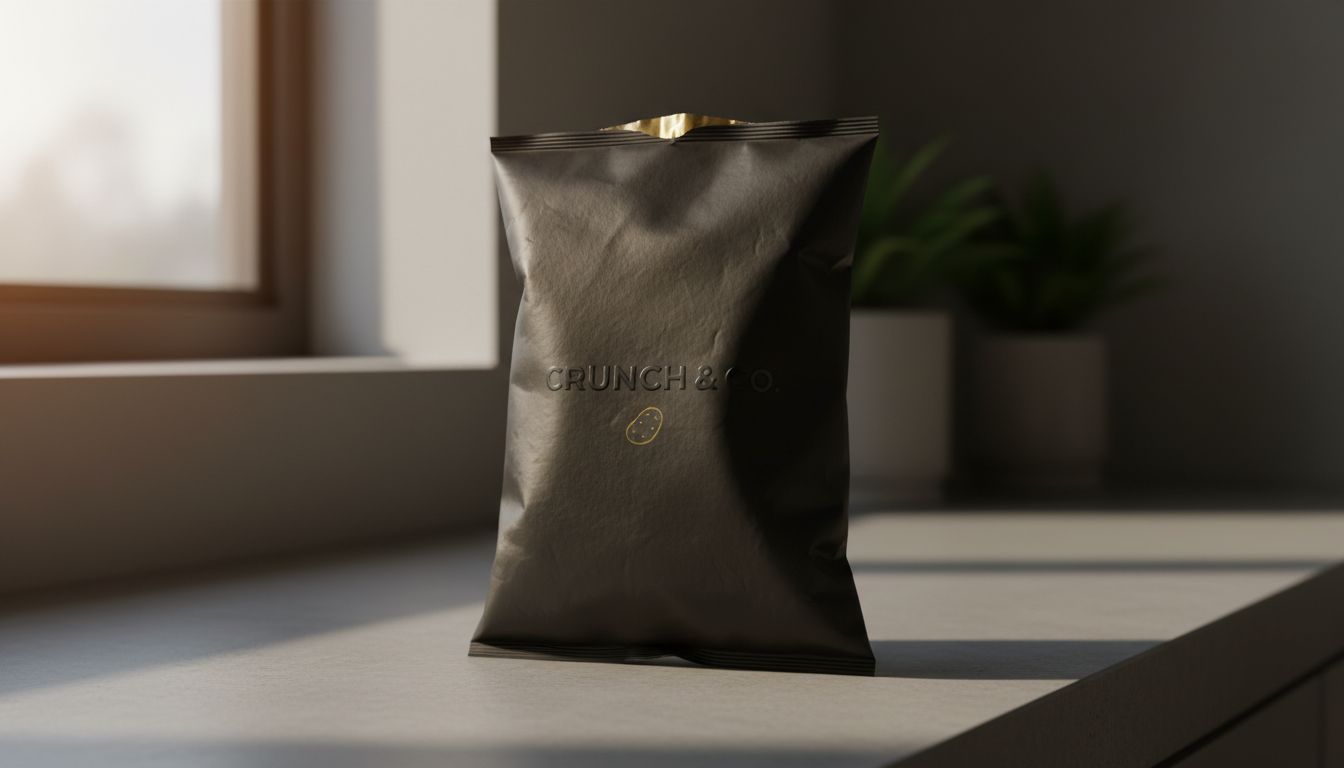
We have reached a strange peak in the snack aisle of 2026. I spent three hours yesterday analyzing the structural integrity of the new artisan crisp bags coming out of the Hawke’s Bay boutiques. It is no longer about the salt. It is about the acoustics. These brands are hiring sound engineers to ensure the crinkle of the foil hits a specific decibel range that signals freshness to the primal brain. They are using matte-finish polymers that feel like heavy cardstock, tricking your fingertips into believing you are holding a luxury good rather than a fried slice of root vegetable. It is a brilliant, subtle manipulation of sensory cues. I find myself mesmerized by the micro-perforations at the top of the bag. Someone spent six months deciding on the exact resistance required to pull that seal apart. It is designed to offer just enough tension to make the eventual pop feel like a victory. This is not just packaging. It is a choreographed performance of tension and release. When the bag finally opens, the release of nitrogen-flushed air carries a scent profile that has been calibrated to linger exactly forty-five seconds. They have turned a three-dollar impulse buy into a high-fidelity experience. I am currently staring at a pile of empty silver linings, wondering why I suddenly feel like I have just left an art gallery rather than a convenience store.