QR Codes Are the Stickers of Our Generation, and I Love That for Us
Let’s talk about QR codes. Not in a 'remember when they made a comeback in 2020?' way. That’s been done, rinsed, and retweeted. No, I’m talking about their glow-up—stepping out of the shadows of airport menus and into the soft spotlight of actually helping people.
Last week I walked through a gallery pop-up in Wellington. No title plaques, just thick black QR codes on chunky plywood. Scan, and a poem appeared. Another code: a voice note from the artist whispering about salt and memory. One QR took me to a map of where each artwork had been found, dumped, then recontextualised. It felt like unboxing art, and oddly intimate—like the code was a handshake instead of a button. That’s when it clicked. QR codes, when used with actual thought, turn passive audiences into curious navigators. They unlock rabbit holes. Gloriously pointless ones, sometimes.
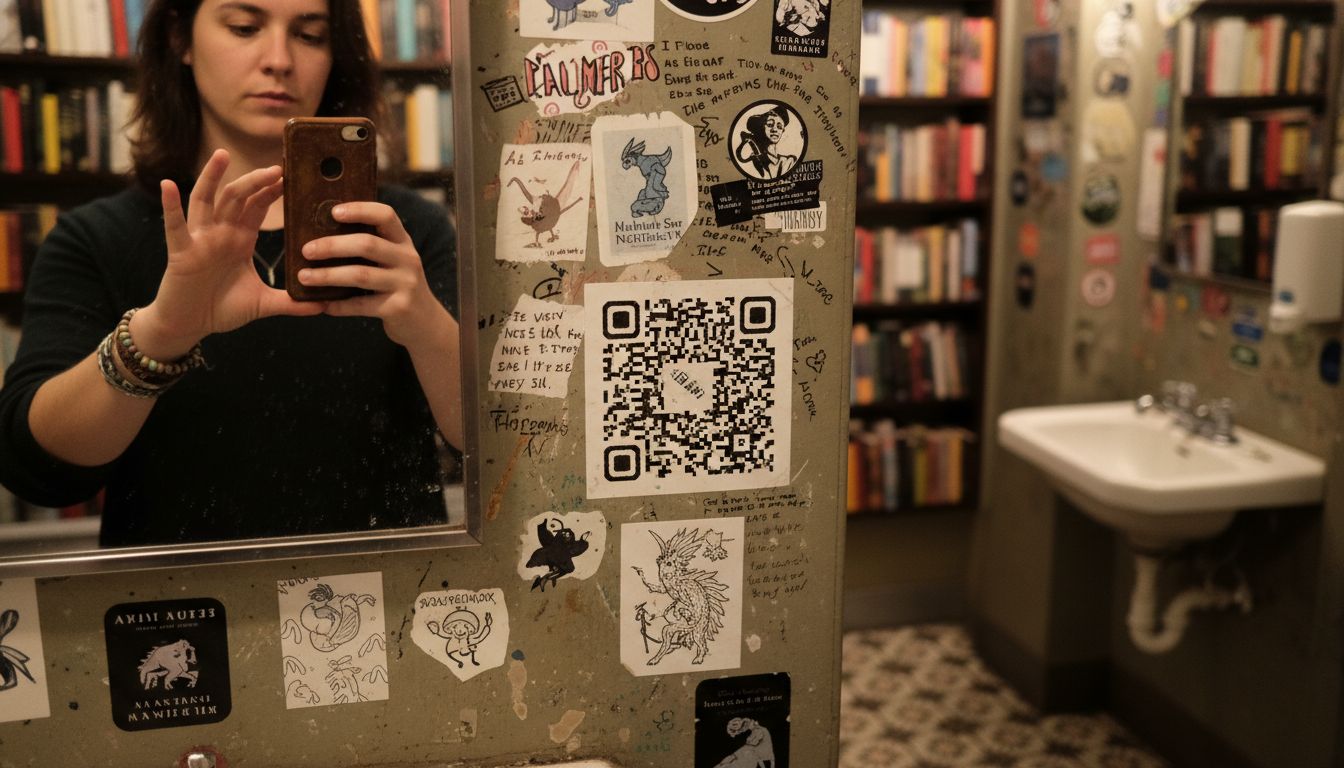
And it’s not just art galleries. Take the indie bookshop in Onehunga with QR stickers in the bathroom. I thought it was going to be a social media plug. It took me to a secret staff Goodreads account with brutally honest one-liners (“Didn't finish this one. Felt like being yelled at by a diary.”) It was human, weird, unmarketing. And that’s the point. We’ve overused slickness in marketing, addicted to polish and polish remover. But stickers that lead to whispered thoughts? That’s design thinking with a pocketknife.
QR codes aren’t dead tech. They’re active design decisions. Tiny gates that say, 'If you care, here’s more.' And I think we’re finally learning not to scream at audiences but to whisper to the curious ones. It feels like the start of something quieter, bolder. Yes, all that from squares on a wall.
Last week I walked through a gallery pop-up in Wellington. No title plaques, just thick black QR codes on chunky plywood. Scan, and a poem appeared. Another code: a voice note from the artist whispering about salt and memory. One QR took me to a map of where each artwork had been found, dumped, then recontextualised. It felt like unboxing art, and oddly intimate—like the code was a handshake instead of a button. That’s when it clicked. QR codes, when used with actual thought, turn passive audiences into curious navigators. They unlock rabbit holes. Gloriously pointless ones, sometimes.
And it’s not just art galleries. Take the indie bookshop in Onehunga with QR stickers in the bathroom. I thought it was going to be a social media plug. It took me to a secret staff Goodreads account with brutally honest one-liners (“Didn't finish this one. Felt like being yelled at by a diary.”) It was human, weird, unmarketing. And that’s the point. We’ve overused slickness in marketing, addicted to polish and polish remover. But stickers that lead to whispered thoughts? That’s design thinking with a pocketknife.
QR codes aren’t dead tech. They’re active design decisions. Tiny gates that say, 'If you care, here’s more.' And I think we’re finally learning not to scream at audiences but to whisper to the curious ones. It feels like the start of something quieter, bolder. Yes, all that from squares on a wall.