The Vanity Metrics of Vineyard Wines and Why Your Campaign Smells Like Grape Soda
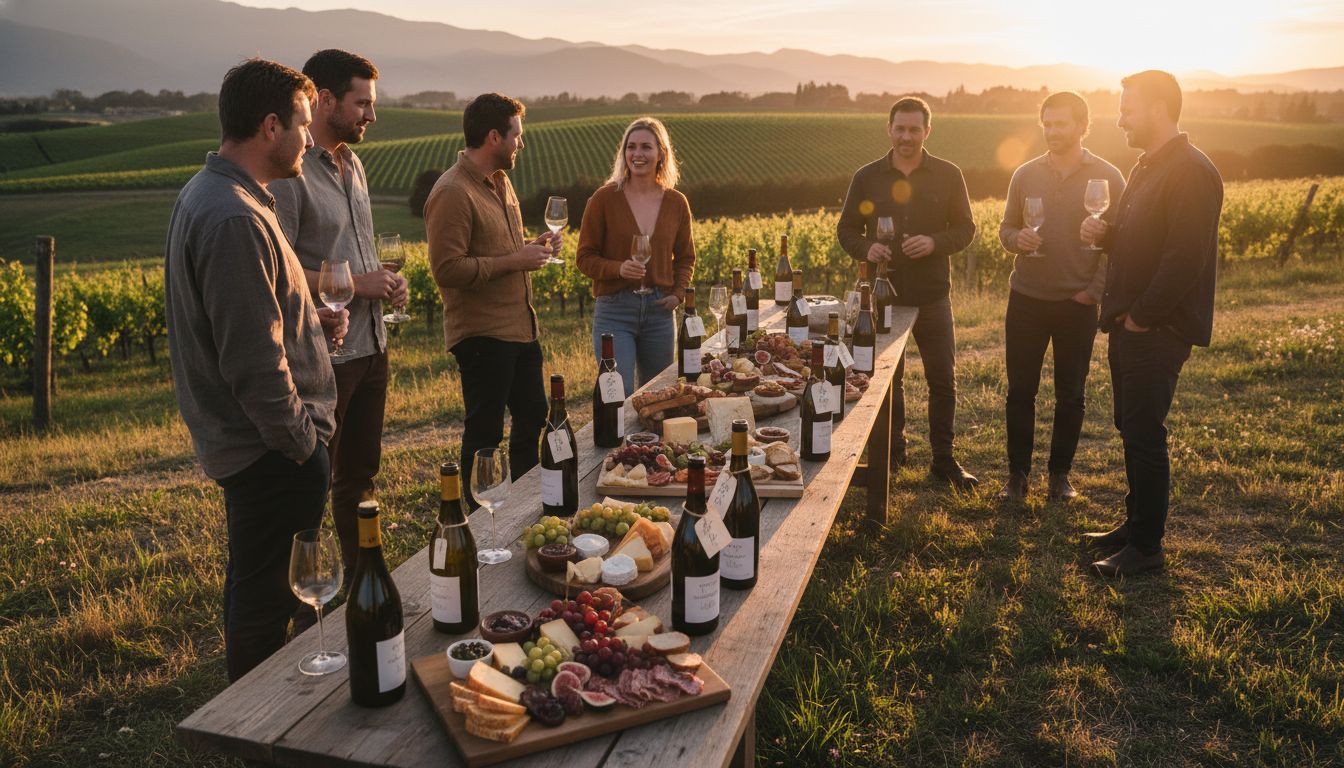
Last spring, I attended a wine launch party in Otaki. Yes, Otaki. Don’t look at me like that, the rosé was fine. What wasn’t fine was the brand strategist trying to convince a room of semi-bored wine bloggers (and one very enthusiastic labradoodle) that the wine’s 'flavour story' had been 'co-created with oenophile micro-influencers' over a series of Instagram polls. Honestly, if the wine had any notes, they were of desperation and desperate notes don’t pair well with goat cheese.
We've somehow turned artisanal products into social-proof startups. I found myself later that week deep-diving into wine labels from the last two years. Not winemaking techniques. Not soil types. Labels. The sheer theatricality of them – moody line illustrations, cryptic one-word names ('Flicker', 'Drip', 'Evening'). Tactile finishes so intense the bottle basically dares you not to stroke it in public. It’s all very beautiful and very empty, like a candle-lit Tinder date who only talks about their star sign.
But here's the bigger thing: these labels perform well. They convert. They get reposted and re-ordered, despite burying the wine’s origin like it's a well-guarded state secret. Forget topography or year, just wink at the algorithm with your matte-black serif. Marketing isn’t selling the wine, it’s selling the idea of someone you'd like to be. It works brilliantly until all wine starts to taste like ad copy.
So what if, instead, we made labels that actually dared to be personal? What if a bottle straight up said, 'Made by four tired people and three startled goats in a shed that sometimes leaks during July'? That would be memorable. Maybe even joyful. There’s room for poetry, sure, but let’s stop mistaking silence for sophistication. Your design doesn’t need to whisper – it needs to say something true, even if it’s sticky or weird or smells faintly like goats.
We've somehow turned artisanal products into social-proof startups. I found myself later that week deep-diving into wine labels from the last two years. Not winemaking techniques. Not soil types. Labels. The sheer theatricality of them – moody line illustrations, cryptic one-word names ('Flicker', 'Drip', 'Evening'). Tactile finishes so intense the bottle basically dares you not to stroke it in public. It’s all very beautiful and very empty, like a candle-lit Tinder date who only talks about their star sign.
But here's the bigger thing: these labels perform well. They convert. They get reposted and re-ordered, despite burying the wine’s origin like it's a well-guarded state secret. Forget topography or year, just wink at the algorithm with your matte-black serif. Marketing isn’t selling the wine, it’s selling the idea of someone you'd like to be. It works brilliantly until all wine starts to taste like ad copy.
So what if, instead, we made labels that actually dared to be personal? What if a bottle straight up said, 'Made by four tired people and three startled goats in a shed that sometimes leaks during July'? That would be memorable. Maybe even joyful. There’s room for poetry, sure, but let’s stop mistaking silence for sophistication. Your design doesn’t need to whisper – it needs to say something true, even if it’s sticky or weird or smells faintly like goats.